24/7 cover · Nationwide from Oxfordshire

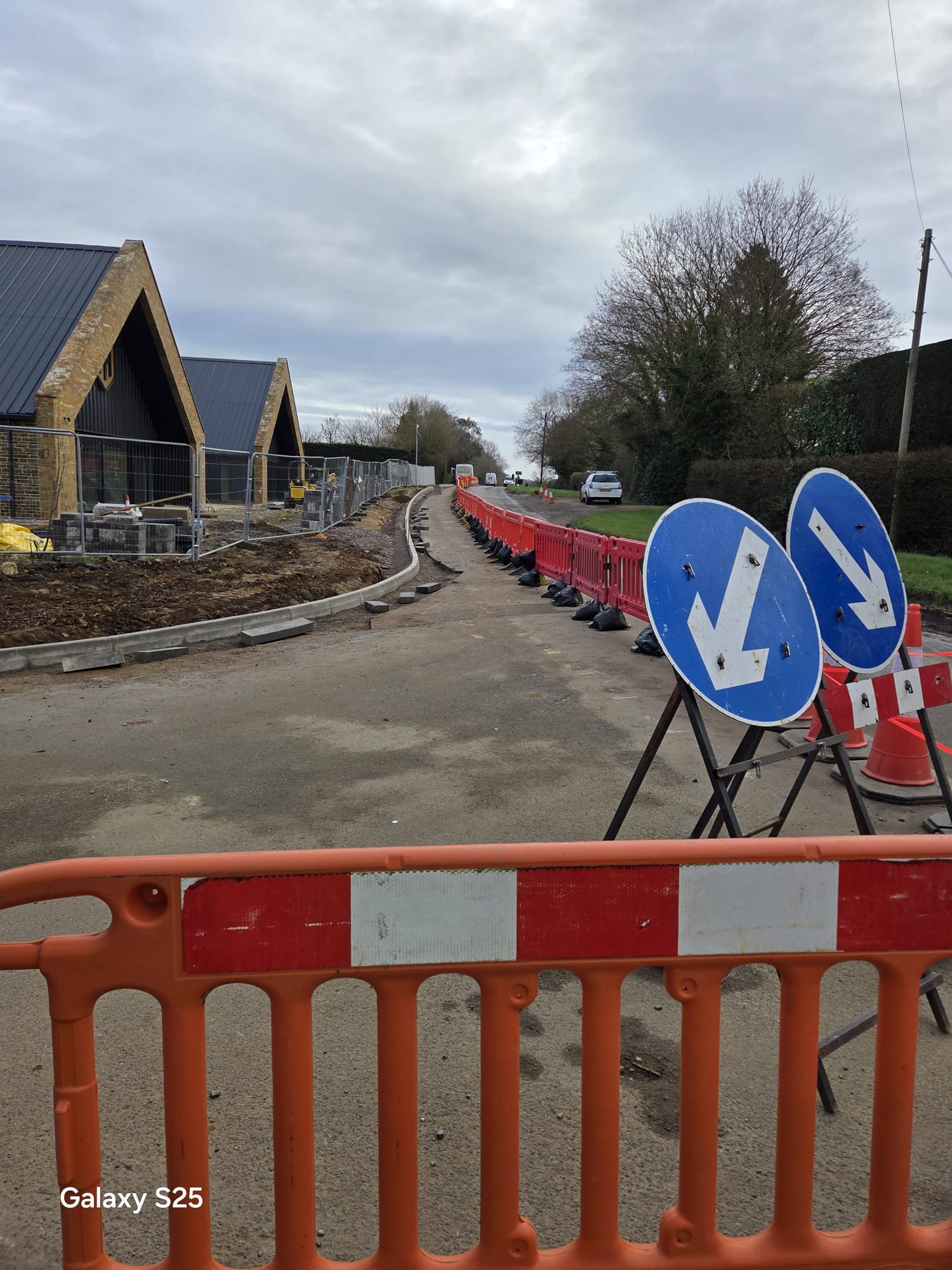
Barriers and keep-left arrow signs guiding traffic past low-speed road works

Low-speed & urban TTM · Oxford & nationwide

Low-Speed Traffic Managementfor Oxford high streetsand residential schemes.

Urban works fail on details, not distances: bus stops, loading bays, driveways, school runs and cycle lanes. You get a scheme designed around all of them, approved by the authority, and installed by crews who work in town centres every week.

25 years on urban and residential schemes · Chapter 8 and NRSWA compliant · Sector Scheme 12A–12D · £10m public liability · 24/7 cover · permits handled end to end.

25

Years in traffic management

~300

Operatives & staff

~150

Lorries, vans & cars

£10m

Public liability cover

24/7

Cover, including call-outs

The service

Traffic management for single carriageways, urban streets and residential roads

Low-speed traffic management covers works on roads with lower speed limits: town centre streets, residential roads, estate access roads, retail parks and single carriageways through villages. The technical distances are shorter than on high-speed roads, but the surrounding complexity is much higher, because everything happens in front of people who live and trade there.

We design and deliver the whole arrangement: footway and lane closures, priority working, portable traffic signals, pedestrian routes, parking suspensions, resident access management and full street closures where the works demand it. Drawings go through the highway authority, the permit or Temporary Traffic Regulation Order is handled alongside, and installation and maintenance are done by our own ticketed operatives.

It is the right service for utility connections and street works, footway reconstruction, drainage, resurfacing and patching, scaffold and hoarding erection, developer site accesses running for months, deliveries and crane lifts into constrained plots, and events on urban streets. Clients range from utilities and civils contractors to local authorities and principal contractors on long-term city sites.

Professional help matters because urban schemes are judged by neighbours as well as inspectors. A scheme that keeps the shop entrance visible, the bin collection possible and the footway usable generates no complaints; the same works with a footway simply coned off generate a complaint file, an authority visit and pressure on your working hours.

What it costs to get wrong

In a town centre, a poor scheme costs you working hours before it costs you anything else

Urban works are surrounded by stakeholders with immediate leverage. Shopkeepers ring the council about lost trade, residents ring about blocked driveways, bus operators escalate a missed stop, and schools raise the pedestrian route within a day. The result is rarely a fine — it is a restriction on when you are allowed to work, which quietly removes shifts from your programme.

Then there are the direct costs. A permit refused or a parking suspension not applied for means the works cannot start, and re-notification runs the notice period again. Vehicles parked in the working area because the suspension was not signed in time means a wasted mobilisation, or a tow and a delay.

The safety failures in urban schemes are pedestrian failures. A closed footway with no compliant alternative pushes people into the carriageway, and in a street with buses and cyclists that is a serious risk rather than an inconvenience. It is also the failure most likely to be photographed and forwarded to the authority.

Mistakes we are called in to unpick

  • Coning off a footway without providing a signed, separated alternative route of adequate width.
  • Forgetting parking suspensions and bay signing, so the working space is occupied by cars on the first morning.
  • Overlooking bus stops, taxi ranks and loading bays that need relocating or suspending in advance.
  • Ignoring bin collection days, school run times and delivery windows when setting shift patterns.
  • Blocking driveways without notifying residents, which is the fastest route to an authority complaint on any residential scheme.

Our process

How the scheme gets fromenquiry to signed-off completion

  1. Step 1

    Street survey and constraint mapping

    We walk the street and record what actually has to keep working: bus stops, loading bays, taxi ranks, driveways, dropped kerbs, cycle lanes, crossings, refuse routes, shop entrances and existing parking controls.

  2. Step 2

    Scheme design and phasing

    CAD drawings set out the working space, the traffic arrangement, the pedestrian route and each phase of the works, so every stage is a complete compliant arrangement rather than a variation improvised on site.

  3. Step 3

    Permits, parking suspensions and TTROs

    We handle authority liaison end to end: permit applications, parking bay suspensions, Temporary Traffic Regulation Orders where needed, bus operator and emergency service notification, and council sign-off.

  4. Step 4

    Notification and installation

    Advance signing, bay suspension notices and pedestrian route signage go in ahead of the works where required, then the arrangement is installed to the drawing by ticketed operatives.

  5. Step 5

    Daily management and maintenance

    Signs get moved by the public in urban streets, so inspection and resetting are part of the job. We manage access requests, keep the pedestrian route clear, and adjust signal timings or arrangements as flows dictate.

  6. Step 6

    Phase changes, removal and handback

    Between phases the arrangement is changed as a planned operation, and at completion everything is removed, the footway returned to normal use and the permit closed out with records issued to you.

What you get

Specific outcomes,not vague reassurance

Working hours protected
Schemes designed around buses, deliveries, schools and residents attract fewer complaints, which is what keeps your permitted working hours intact.
Start dates that hold
Permits, parking suspensions and notifications are handled together, so the working space is actually available and legal on the morning your crew arrives.
Accessible footway routes
Signed, separated routes with adequate width, tapping rails and proper crossing points — designed for wheelchairs and pushchairs, not just marked with cones.
Local knowledge in Oxfordshire
Oxford, the ring road and the county's market towns are our heartland, so diversion routes and pinch points are known rather than guessed.
One contractor for long site accesses
Developer accesses running for months get the same team for design, permits, signals, signage and maintenance from first mobilisation to final removal.
Compliance ready for your client
Chapter 8, NRSWA and Sector Scheme 12 delivery with £10m public liability and £10m employers' liability, plus accreditations for pre-qualification packs.

In detail

Urban arrangements, street furniture and the constraints that shape the drawing

Low-speed schemes are built from a familiar toolkit, but the design work sits in reconciling that toolkit with everything already using the street. This is the detail we work through before a drawing goes to the authority.

Footway closures and pedestrian routes

The most common urban requirement. A compliant closure provides an alternative route with adequate clear width, continuous separation using barriers with tapping rails, a firm surface with ramps where levels change, and clear signing where the route leaves the normal footway.

Where the route must step into the carriageway we build a protected walkway with barriers on the traffic side; where it must cross, we provide a defined crossing point. The route stays consistent through the phases so regular users keep trusting it.

Lane closures, priority working and signals

Short single-lane sections with good visibility and light flows can run on priority give-and-take signs. Longer sections, poor visibility or heavier flows need portable traffic signals, which we supply, install and maintain, with vehicle detection where appropriate.

Where flows peak sharply, a hybrid works better: signals off-peak and overnight, with manned stop-go control during peak periods or while plant is crossing the carriageway.

Parking, loading and street furniture

Urban schemes almost always need parking bay suspensions, and those need applying for and signing in advance to be effective. Loading bays, disabled bays, taxi ranks and cycle hire stands may all need suspending or relocating, each with its own authority process.

Bus stops are a special case: suspending or temporarily relocating one requires operator liaison, temporary stop signing and often a flag and pole arrangement. Getting it wrong escalates quickly, so it is planned before the works, not on the first morning.

Residential streets and access management

Driveway access, refuse collection days, school run timings and permit parking dominate residential schemes. Where access must be interrupted, advance letter drops or door knocks and a marshalled access arrangement turn a complaint into a conversation.

Phasing is the main tool: working in shorter lengths so fewer properties are affected at once, and completing and reinstating each length before opening the next, even if that adds a mobilisation.

Commercial frontages and town centres

Outside shops the priorities are visible access, maintained footfall, servicing windows and clear signing that the business is open. Hoardings, scaffold gantries and walkways all interact with the traffic management and should be designed together, not separately.

In Oxford and other historic centres there are added constraints: narrow streets, cycle volumes, bus corridors, pedestrianised zones with timed access, and events that place embargoes on works at certain times of year.

Long-term site access schemes

Developer accesses that run for months need a design that survives changing conditions: seasonal daylight, sign cleaning and resetting, wheel wash and mud management interfaces, and inspection frequency the authority expects to see recorded.

They also need a plan for change. Site entrances move, deliveries grow, and a scheme that was right at ground works stage is often wrong at fit-out. We revise the drawing and the approval rather than letting the arrangement drift.

On site

Low-Speed Traffic Management we have installed

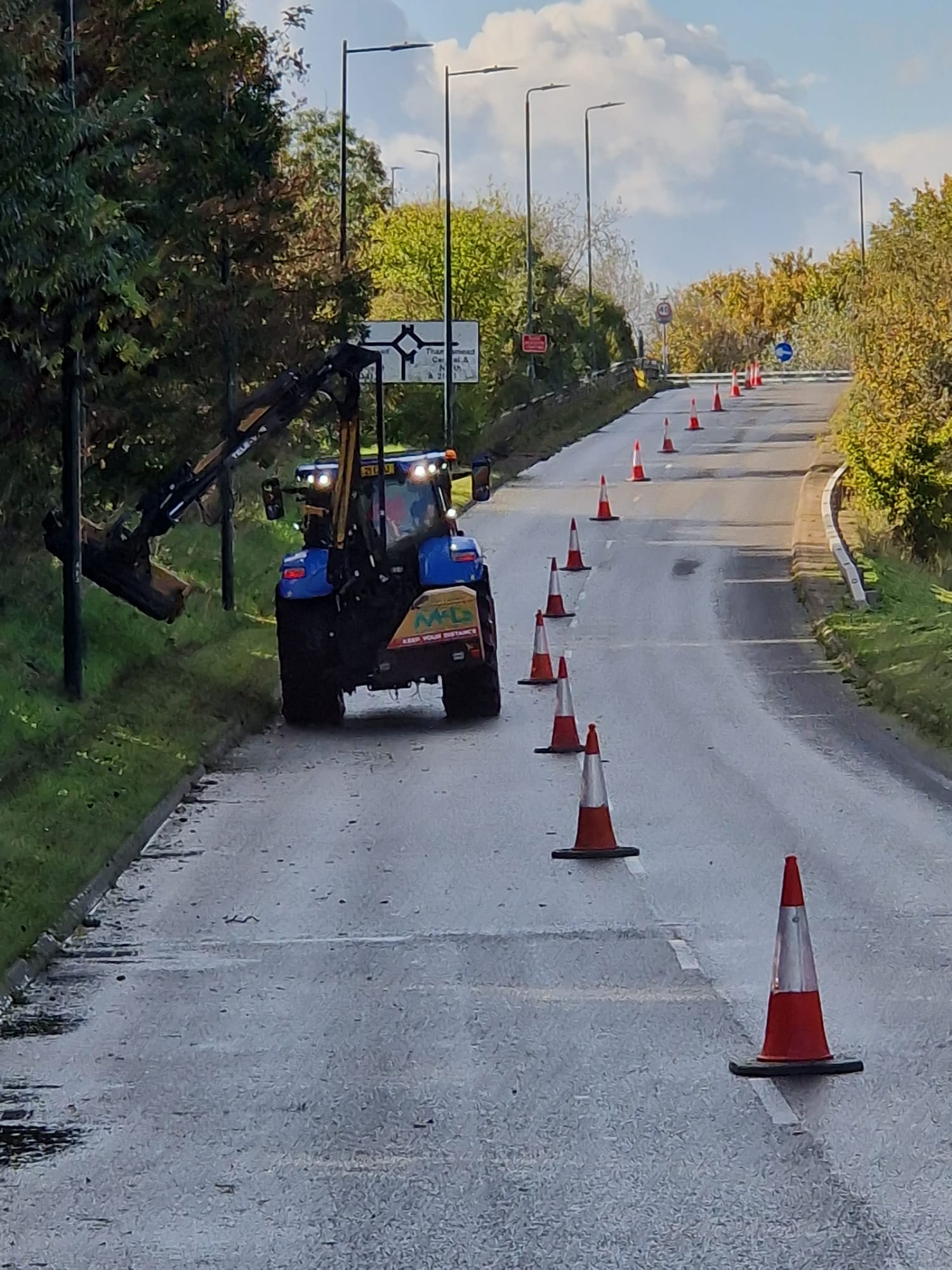
Tractor-mounted verge mowing protected by a coned lane closure on a single carriageway road
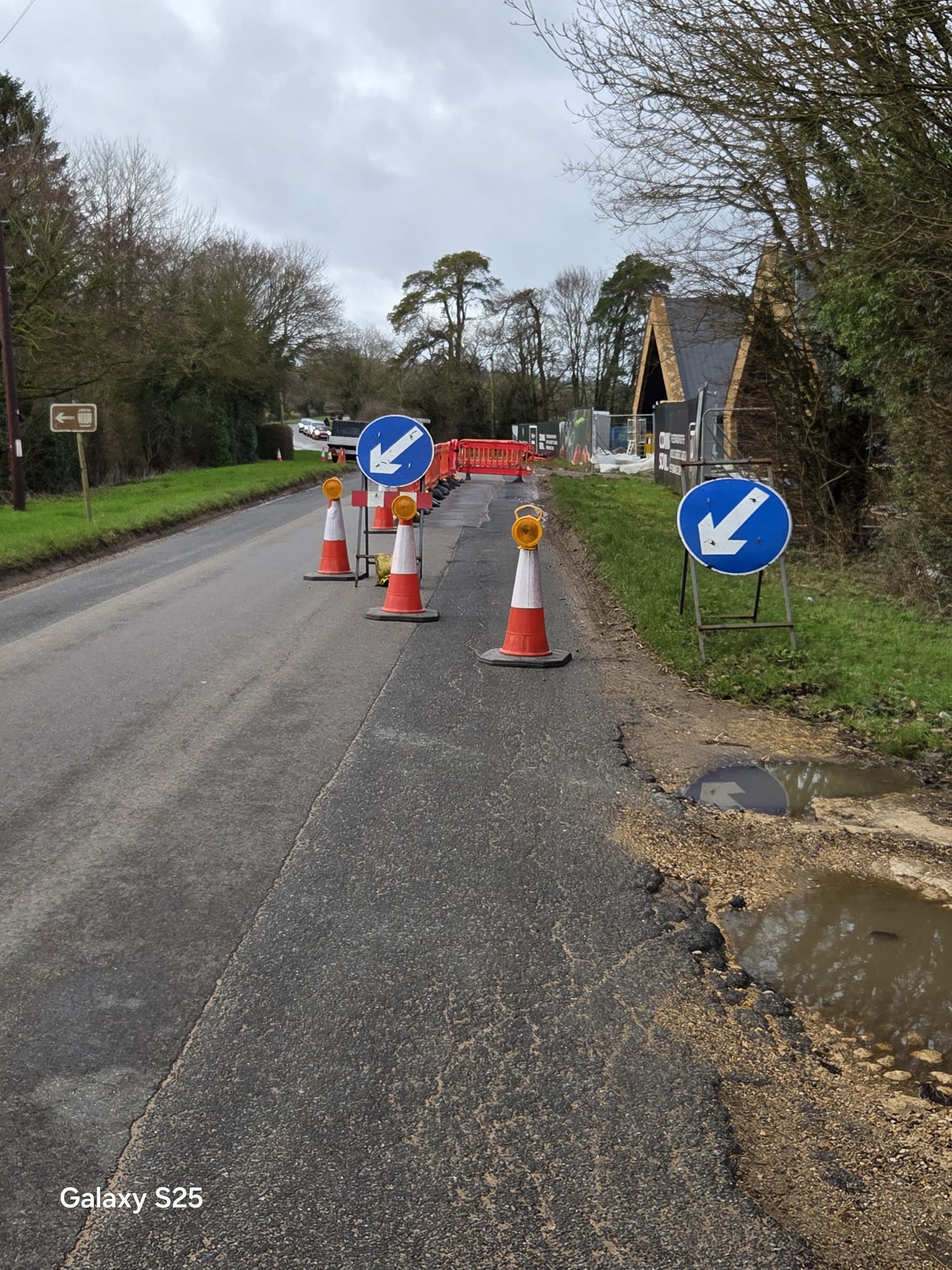
Cones and keep-left arrow signs guiding traffic past a collapsed road edge on a rural lane
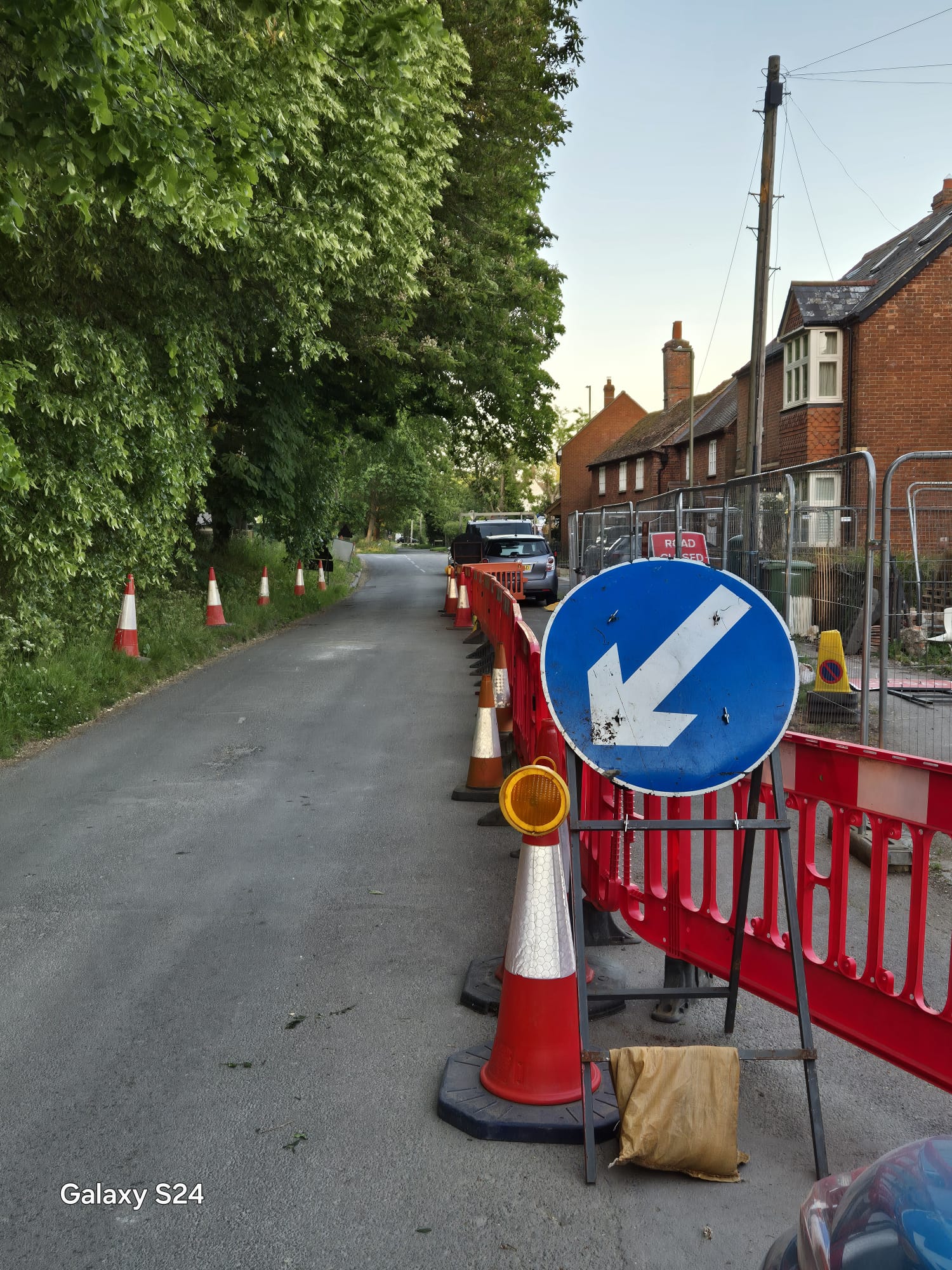
Barriers and keep-left arrow signs guiding traffic past low-speed road works
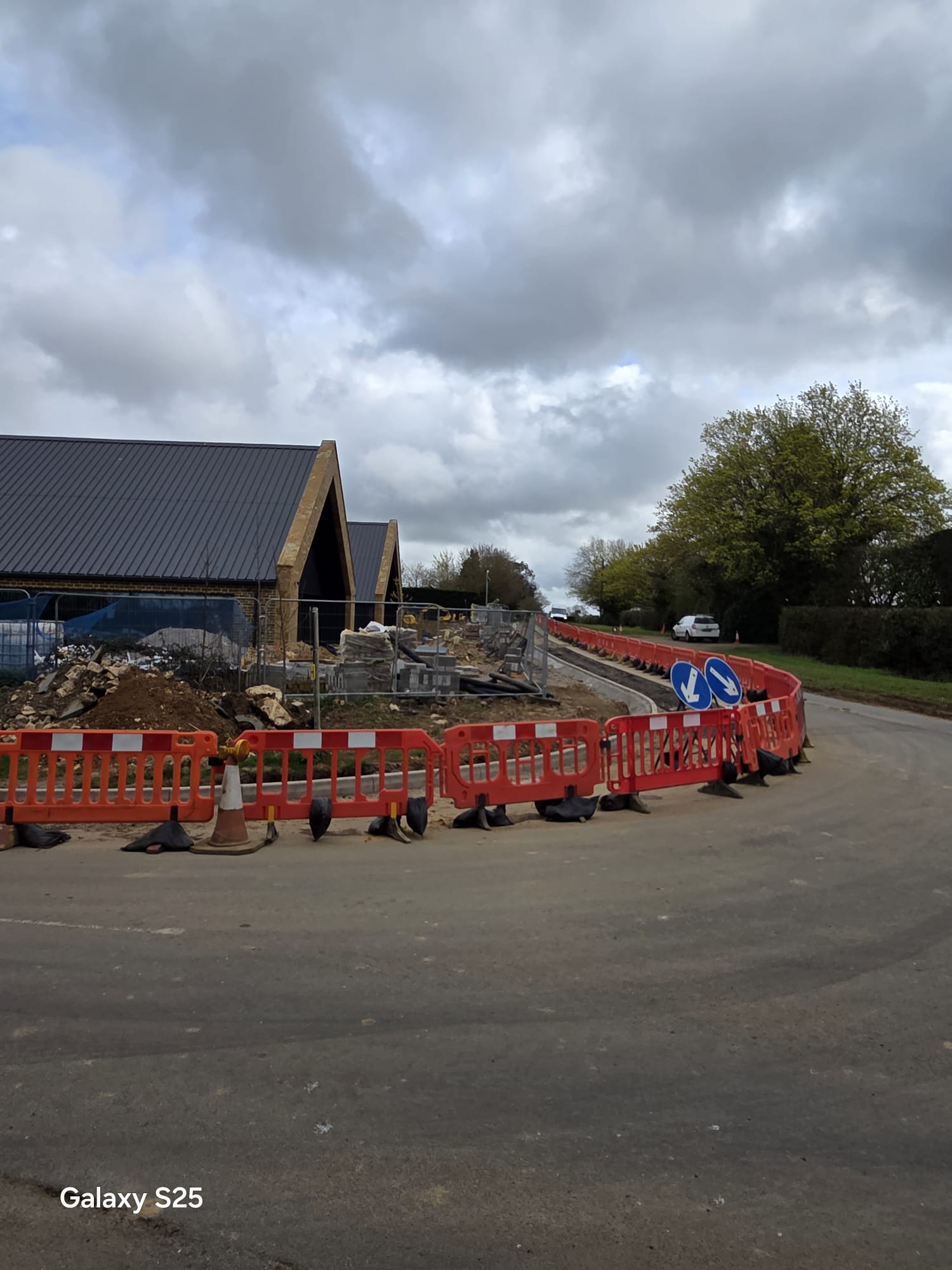
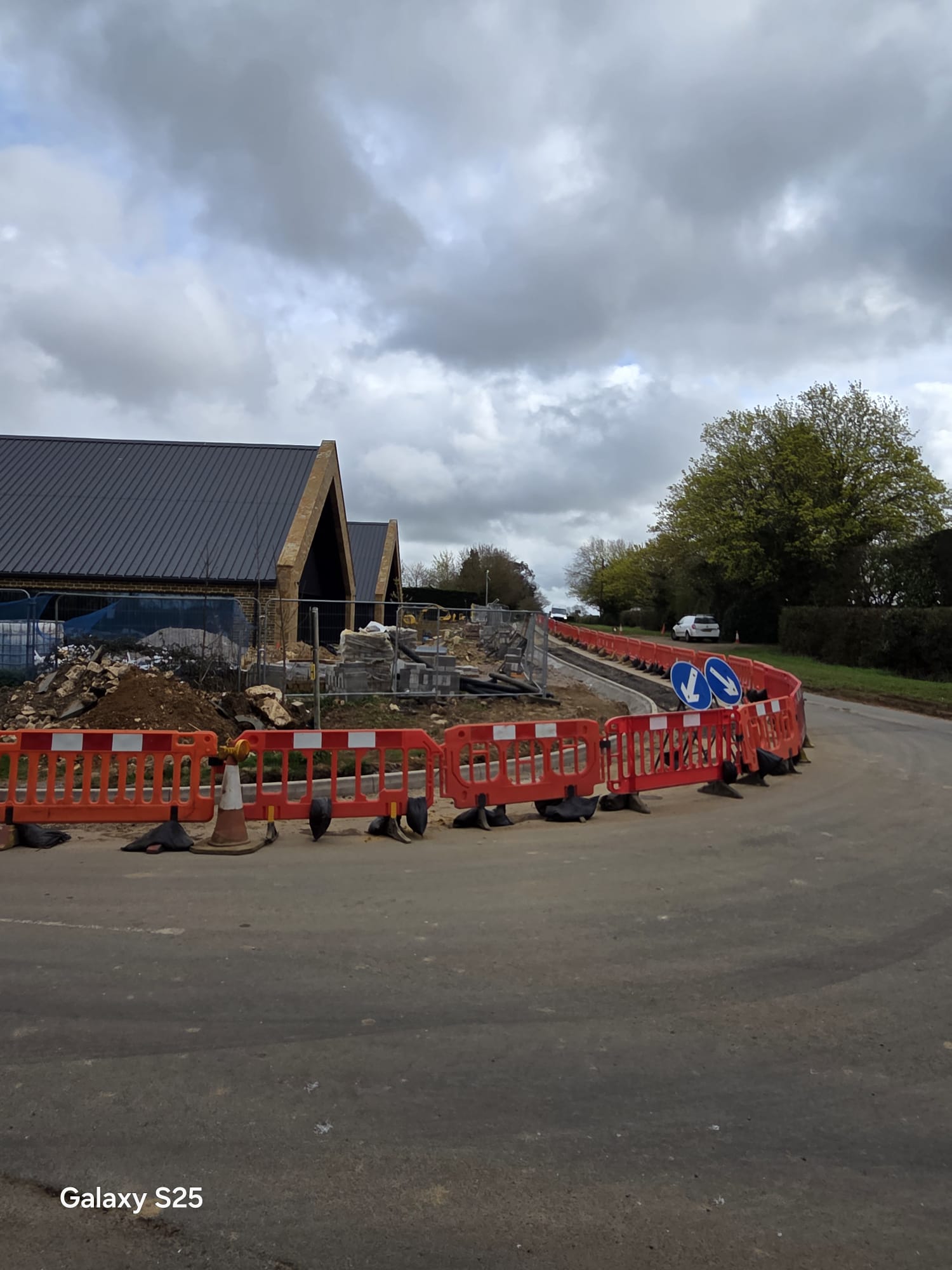
Barrier line following a curve on a low-speed road construction scheme
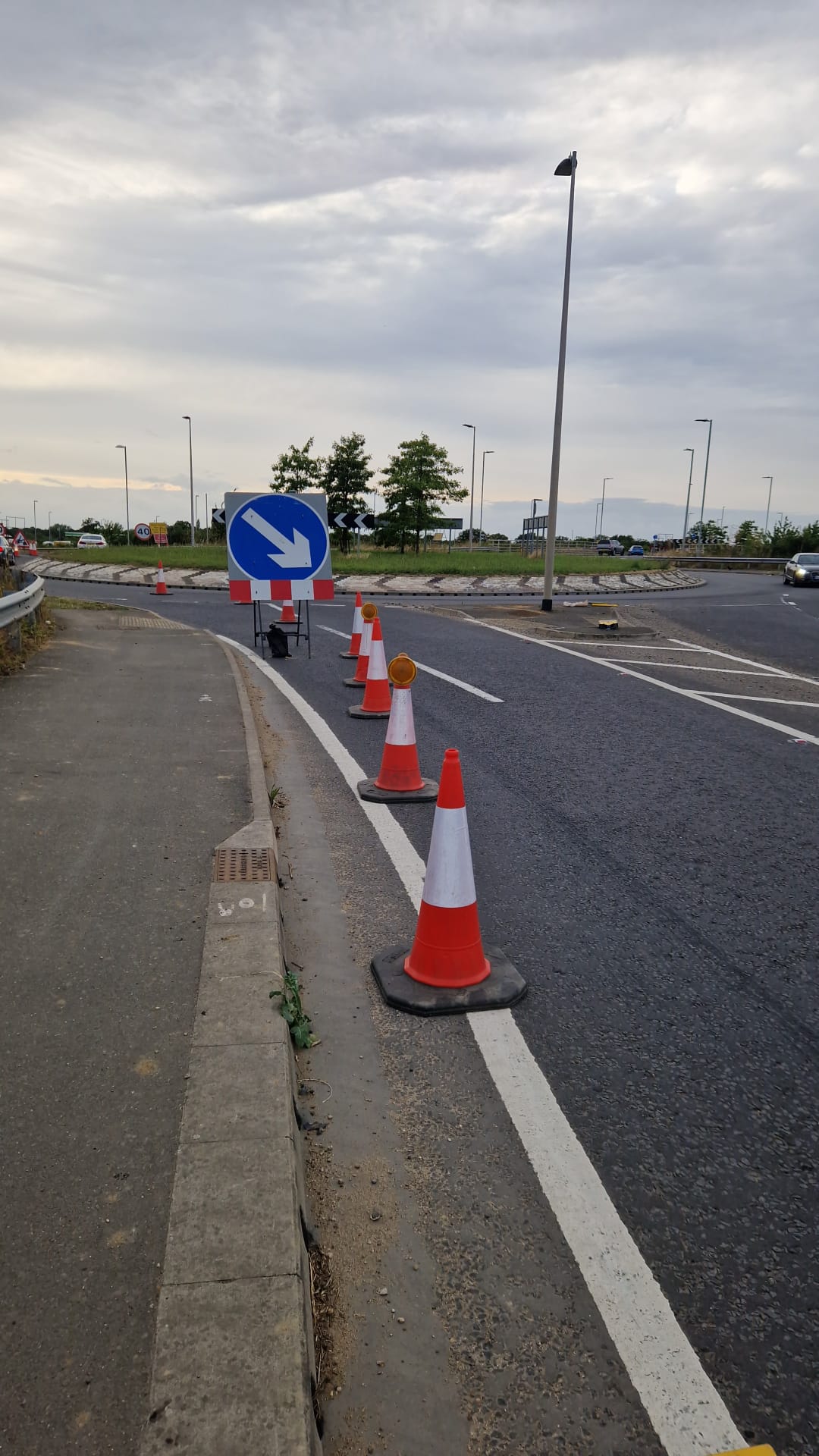
Cones and arrow sign directing traffic into a roundabout on a low-speed scheme
Barriers and cones separating footway works from a residential street
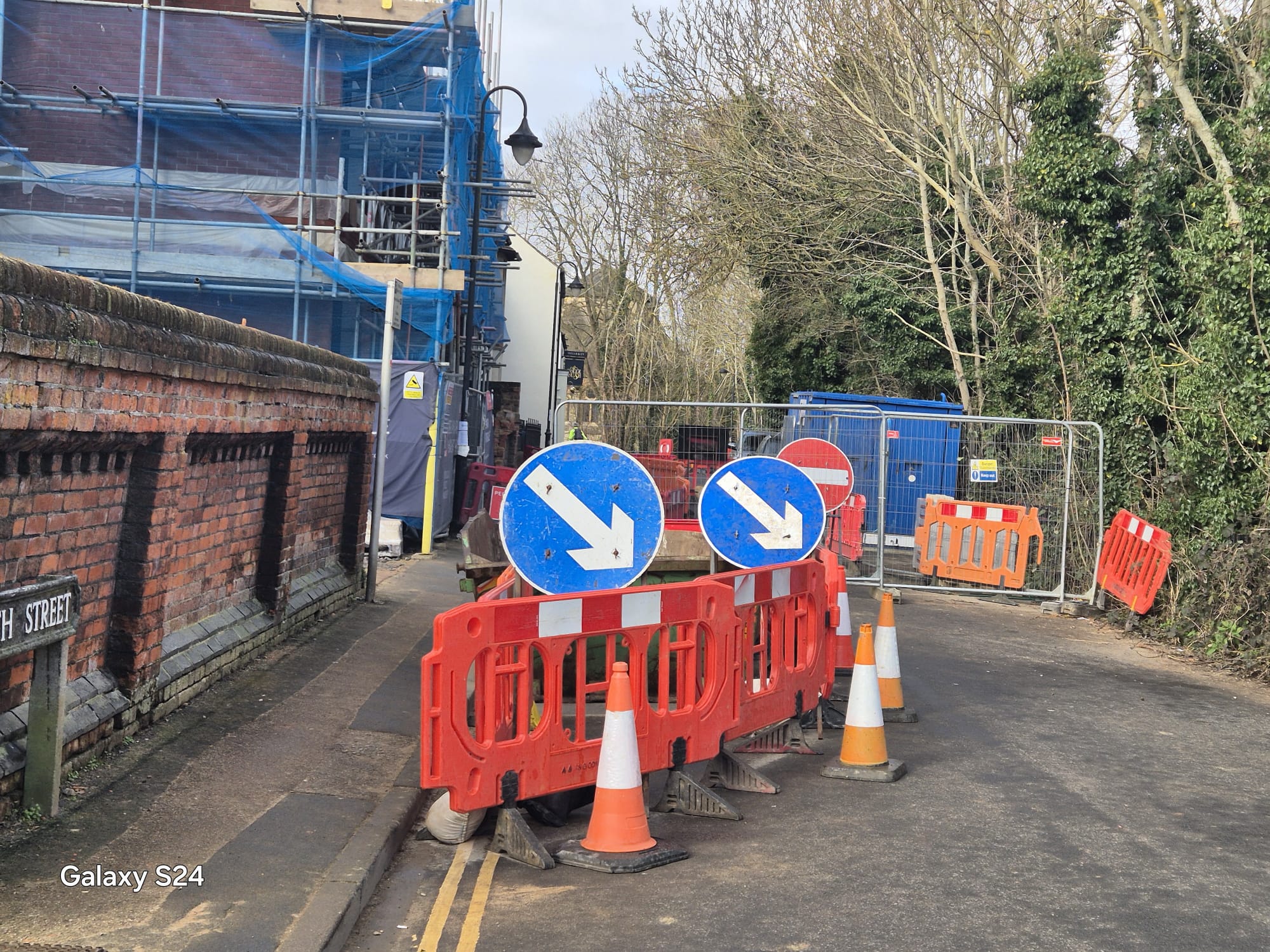
Keep-left arrow signs and barriers closing a street corner beside scaffolding
Barriers, cones and keep-left signs guiding traffic around a new kerb line on a low-speed scheme

More photography from live schemes is on our our work gallery.

Standards this work is delivered to

  • Sector Scheme 12 — 12A, 12B, 12C & 12D
  • Chapter 8 (Traffic Signs Manual)
  • New Roads & Street Works Act (NRSWA)
  • Lantra/NRSWA cards, T1/T2/T3 tickets
  • £10m public liability & £10m employers' liability insurance

Accreditations held

  • National Highway Sector Schemes
  • Constructionline Gold
  • BM Trada
  • CHAS
  • Acclaim
  • Achilles UVDB
  • Avetta
  • Builder's Profile
  • SafeContractor
  • ISO 9001

Certificates are issued for your pre-qualification pack on request. We work direct for end clients and as a subcontractor to principal contractors.

Straight answers

Low-Speed Traffic Managementquestions we are asked

How much does urban traffic management cost?

The drivers are the arrangement required, the duration, whether signals are on hire, how many operatives are needed on site, and the authority costs for permits, parking suspensions and any order. A footway closure outside a single property is inexpensive; a multi-phase high street scheme with signals and bus stop relocations is not. We price your specific street in writing.

How long before I can start work in a town centre street?

The physical set-up is quick. The lead time is authority notice periods for permits and parking suspensions, plus longer periods where a Temporary Traffic Regulation Order or bus operator liaison is involved. Involve us as soon as you have an indicative programme and we work back from your target start.

Do you handle parking bay suspensions?

Yes, as part of authority liaison. Suspensions have to be applied for and signed in advance to be enforceable, which is exactly why so many urban jobs lose their first morning to parked cars. We build the timings into the programme.

Can pedestrians and shoppers still get past the works?

Yes, and that should be non-negotiable. We design a signed alternative route with adequate width, physical separation with tapping rails, ramps where levels change and defined crossing points, kept continuous through each phase of the works.

Do you deal with bus stops and cycle lanes?

Yes. Bus stop suspensions or temporary relocations involve operator liaison and temporary stop signing, and cycle lanes need either a maintained route or a designed merge into the carriageway. Both are handled at design stage, not left to the crew on site.

How do you keep residents onside?

Phase the works so fewer properties are affected at once, notify people before access is interrupted, keep driveways available where physically possible and marshal access where it is not. It is not a guarantee of zero complaints, but it removes the causes of most of them.

Can you work evenings or weekends to reduce disruption?

Yes. Out-of-hours and night working is routine and often the right answer on busy streets, subject to what the authority permits in that location and any noise conditions. We run 24/7 cover including emergency call-outs.

How long can a site access scheme stay in place?

As long as the authority approval allows, with extensions applied for as the programme develops. For long-running schemes we plan inspection and maintenance across the whole duration and revise the arrangement when the site's needs change.

Do you work outside Oxfordshire?

Yes. Oxfordshire and Oxford are our heartland, and we work across London and all boroughs, the South East, Gatwick, the South West, Wales, the Midlands, the North and Scotland from a single point of contact.

Will you work under our principal contractor's site rules?

Yes. We work direct for end clients and as a subcontractor to main and principal contractors, aligning with your induction, RAMS process, permit-to-work system and reporting formats.

Related services

  • Traffic Management

    Temporary traffic management in Oxfordshire and nationwide: TTM design, permits, signals, signage and ticketed crews from one contractor. 25 years, 24/7 cover, £10m insurance.

  • Convoy, Stop-Go & Pedestrian Management

    Convoy working, stop-go boards and compliant pedestrian management in Oxfordshire and nationwide. Ticketed operatives, Chapter 8 routes, 24/7 cover, £10m public liability.

  • Permits & TTROs

    Permit applications, Temporary Traffic Regulation Orders and local authority liaison handled end to end. Oxfordshire base, nationwide coverage, 25 years of authority experience.

  • Barriers & Access Control

    Pedestrian and vehicle barriers, separators, ground protection and controlled site access points supplied, installed and maintained. Oxfordshire base, nationwide cover, £10m insurance.

Where we deliver it

Based in Oxfordshire and working nationwide. See the full service areas list, browse all traffic management services, read about the company, or return to the homepage.

  • Oxfordshire
  • Oxford
  • Banbury
  • Bicester
  • Witney
  • Abingdon-on-Thames
  • Didcot
  • Kidlington
  • London
  • South East
  • Gatwick
  • South West
  • Wales
  • Midlands
  • North
  • Scotland

Send us the street.We will design a schemethe neighbours can live with.

Give us the location, the works and the duration. You get a written estimate covering the drawing, the permits and suspensions, the pedestrian route, the equipment and the crew.

25 years · Sector Scheme 12A–12D · £10m public liability · 24/7 cover

Send the details

Road type, duration and start date is enough to price it. We reply to every enquiry.