24/7 cover · Nationwide from Oxfordshire

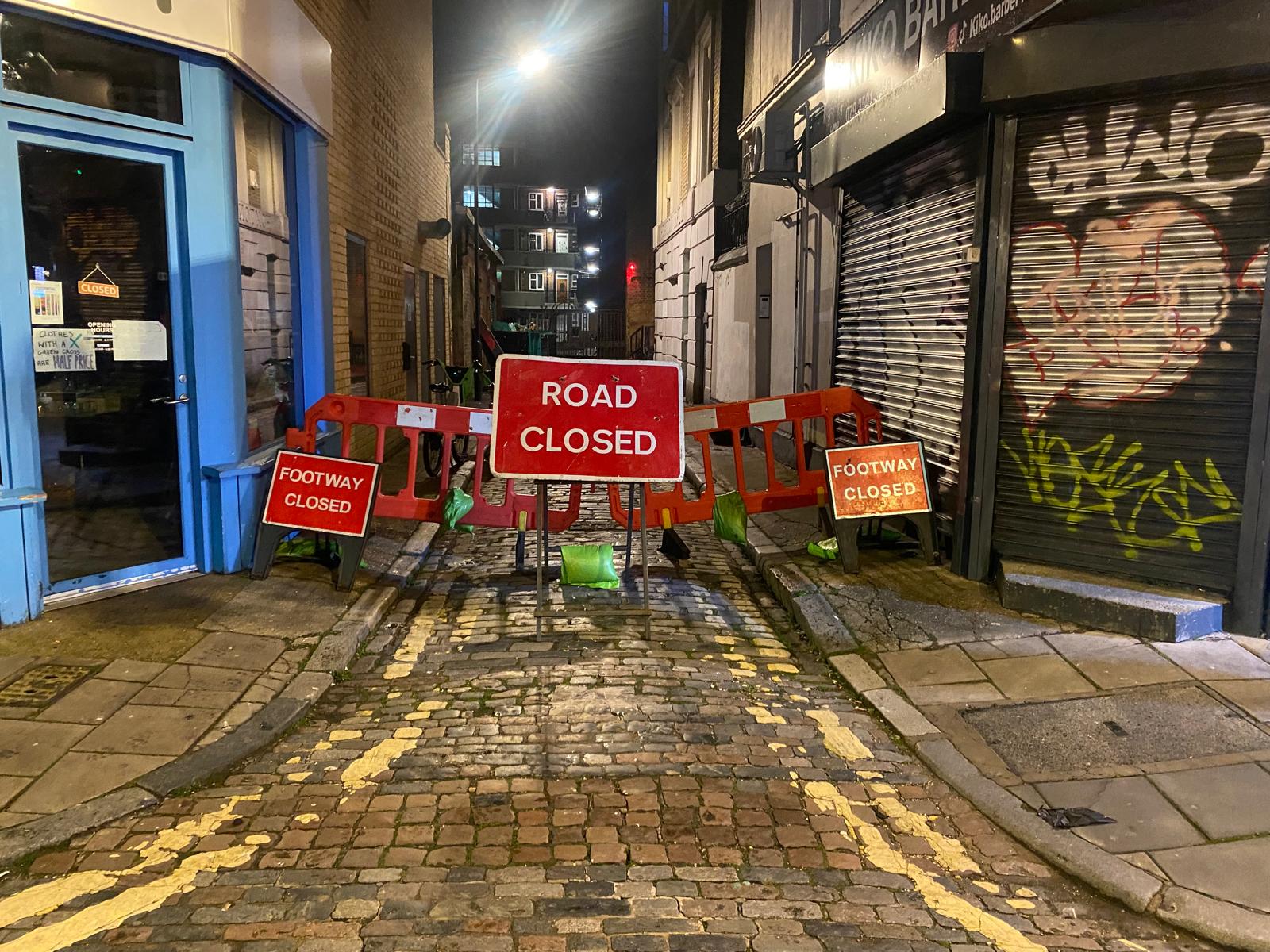
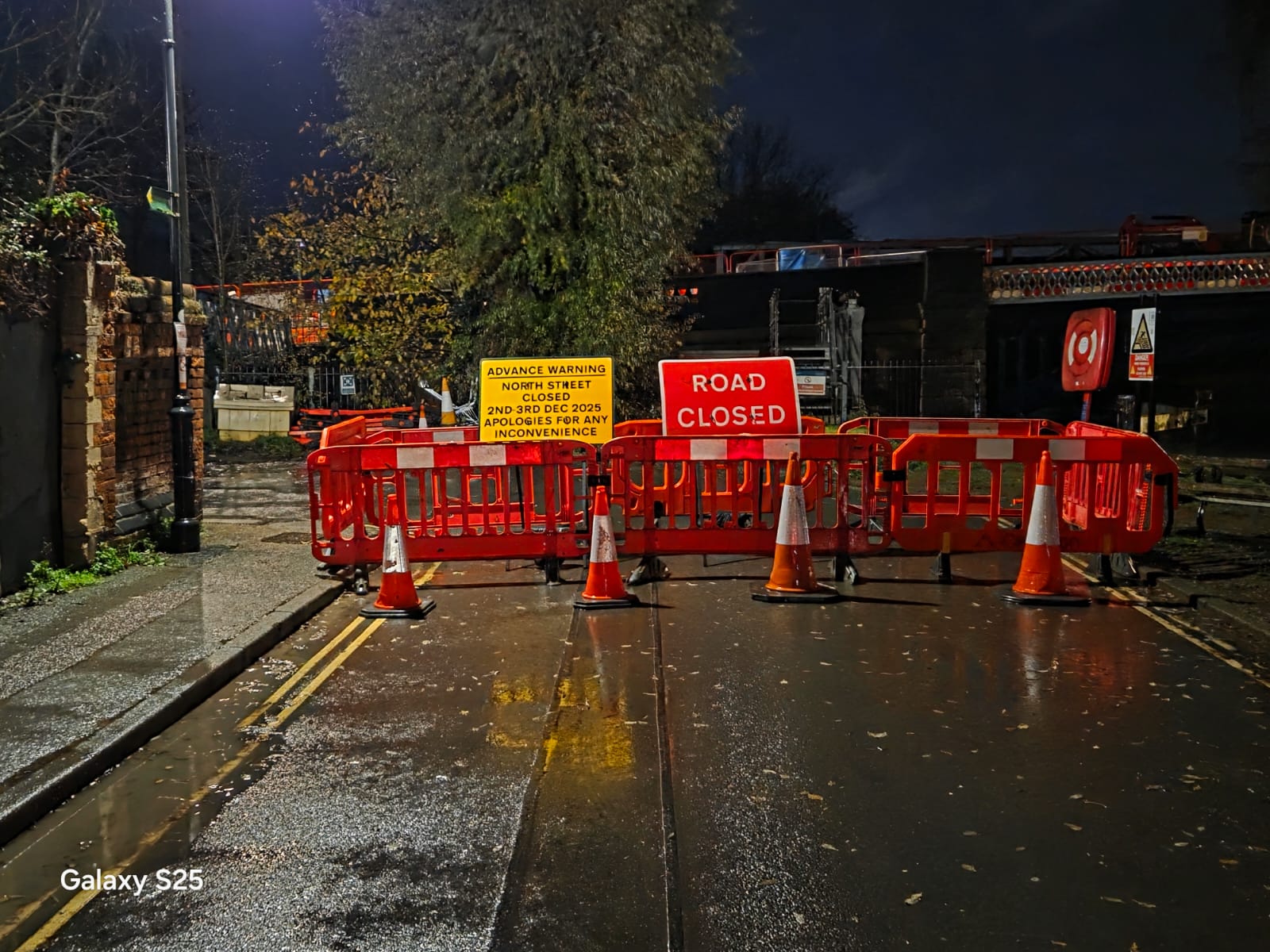
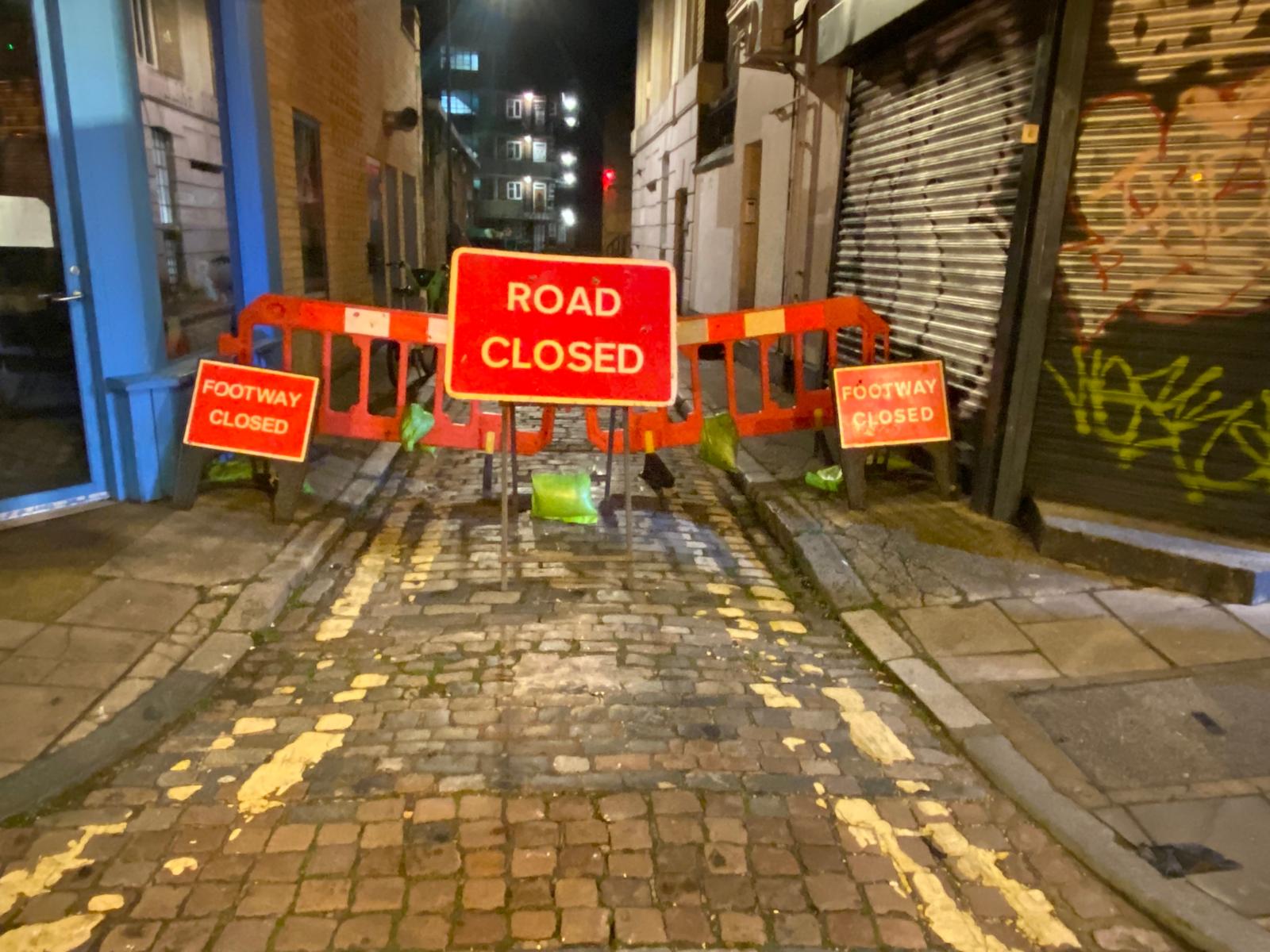
Illuminated road closed and footway closed signage on a cobbled alley at night

Road & lane closures · Oxfordshire & nationwide

Road and Lane Closuresin Oxfordshire and UK-wide,signed, approved and manned.

A closure only works if the diversion is signed, the order is granted and somebody maintains it at 3am. You get the drawing, the TTRO or permit, the signs and the crew from one contractor — so the road closes on the night it was booked and reopens on time.

25 years of closures on live highways · around 300 operatives · Sector Scheme 12A–12D · Chapter 8 diversion signing · £10m public liability · 24/7 cover.

25

Years in traffic management

~300

Operatives & staff

~150

Lorries, vans & cars

£10m

Public liability cover

24/7

Cover, including call-outs

The service

Full closures, lane closures and contraflows designed around your programme

A closure is the most disruptive form of temporary traffic management and, handled properly, often the safest and fastest. Taking a lane or a whole carriageway out of use gives your crews a clean working space with no live traffic alongside them, which usually means the works finish in fewer shifts than a stop-go arrangement squeezed past them.

We design and deliver the full range: single lane closures on multi-lane roads, lane drops and shifts, footway closures with alternative routes, priority working, contraflows that keep two-way traffic running through a restricted width, and full road closures with a legally advertised diversion route. Each comes with a drawing, an approval, an equipment schedule and a crew.

It suits works that cannot be done alongside moving traffic: resurfacing and patching, bridge and structures work, deep excavations, utility connections in the carriageway, crane lifts and deliveries into constrained sites, town centre events and film production holds. If your programme depends on a specific weekend or night window, tell us and we work back from it.

Professional help matters because a closure is a legal act as much as a physical one. The diversion has to be a viable route for the vehicles displaced onto it, the order or permit has to be in place for the exact dates, emergency services, bus operators and residents have to be considered, and the signage has to comply with Chapter 8 for the whole period, including the hours nobody is watching.

What it costs to get wrong

A closure that is not fully thought through fails in public, at night, at the worst moment

The classic failure is a diversion that looks fine on a map. It routes HGVs under a low bridge, through a weight restriction, or down a residential street where two buses cannot pass. The route then has to be re-signed mid-shift while traffic backs up and somebody films it on a phone.

The second failure is paperwork. A full closure without a valid Temporary Traffic Regulation Order is not a closure, it is an obstruction. Missing the notice period means either postponing the works or trying to force them through a shortened window, and both cost far more than getting the application in early.

The third failure is the quiet one. Signs get stolen, knocked flat or turned around, cones get dragged into the carriageway, and a closure point left unattended becomes an invitation for a driver to weave through it into your working space. Without an inspection and maintenance regime, the first you hear of it is the incident report.

Mistakes we are called in to unpick

  • Planning a full closure without checking the diversion route for height, weight and width restrictions or for other live works already sitting on it.
  • Applying for the order or permit too late, then paying standing time while the notice period runs.
  • Forgetting resident, business and emergency access within the closed length, which is what generates most of the complaints an authority receives.
  • Leaving closure points unmanned and uninspected overnight so incursions and displaced signs go unnoticed.
  • Reopening early without removing every advance and diversion sign, leaving drivers following a route to nowhere.

Our process

How the scheme gets fromenquiry to signed-off completion

  1. Step 1

    Closure feasibility and options

    We look at the works, the road type and the traffic flow and tell you honestly whether a lane closure, a contraflow, priority working or a full closure is the right answer — including whether a night or weekend window turns a five-shift job into two.

  2. Step 2

    Diversion route survey and design

    We drive and check the proposed diversion for height, width and weight restrictions, junction capacity, other live works and bus routes, then produce CAD drawings for the closure, the taper arrangement and the full diversion signing schedule.

  3. Step 3

    TTRO, permits and consultation

    We handle the Temporary Traffic Regulation Order or permit, the notice periods, statutory advertising where required and liaison with the authority, emergency services and bus operators, so the closure is legally in place for the exact dates you need.

  4. Step 4

    Installation and closure point set-up

    Ticketed operatives install advance warning signs, tapers, closure points, diversion signing along the whole route and the pedestrian arrangements, in the sequence set out in the design and within the approved window.

  5. Step 5

    Manning, inspection and access management

    Where the scheme requires it we man closure points, escort resident and emergency access through the closed length, and inspect and reset signing throughout — including overnight, with 24/7 call-out for faults and incursions.

  6. Step 6

    Reopening and sign-off

    On completion we remove the closure and every diversion sign along the route, confirm the road is back to its permanent arrangement, reopen within the approved window and close the order or permit out with records for your file.

What you get

Specific outcomes,not vague reassurance

Windows that hold
Because we control the design, the order and the crew, the night or weekend window you booked is the window the closure actually happens in.
Faster works, fewer shifts
A clean closed working space usually beats working past live traffic. Fewer shifts on site often offsets the cost of the closure itself.
Diversions that work for real vehicles
Routes are checked for height, weight and width and for other live works, so HGVs and buses are not sent somewhere they physically cannot go.
Complaints handled before they start
Resident, business and emergency access is planned into the closure, which is the single biggest driver of authority complaints on closure schemes.
Signing maintained around the clock
Inspection, resetting and 24/7 call-out mean a stolen or flattened sign is fixed as an incident, not discovered at the morning briefing.
Legal position documented
Order, approval, drawing and inspection records are all issued to you, so the closure is defensible if anything is ever questioned.

In detail

Closure types, diversion signing and the detail that decides whether one works

Closures range from a single lane taken out for an hour to a town centre shut for a weekend. The variables are consistent even when the schemes are not: what the traffic does instead, how it is told, and who keeps the arrangement intact while the works run.

Full road closures

Used where there is no safe way to pass traffic through the works: full-width resurfacing, structures work, deep excavation, large lifts or major utility connections. They require a Temporary Traffic Regulation Order, an advertised and signed diversion, and arrangements for access within the closed length.

We plan closure points at the nearest sensible junctions rather than the nearest convenient ones, so drivers are turned before they commit to the closed section, and we sign the diversion in both directions where the route is two-way.

Lane closures, drops and shifts

On multi-lane roads a lane closure keeps traffic flowing while giving you a protected working width. The lead-in taper, longitudinal safety zone and sign spacing are set by the speed limit, and on higher-speed roads the installation sequence itself needs planning as carefully as the layout.

Lane shifts and drops let you move the working space through phases of a longer scheme without repeatedly reinstalling from scratch, which reduces exposure for the crew and disruption for drivers.

Contraflows and priority working

A contraflow keeps two-way movement running through a restricted width by bringing one direction onto the other side of the road, typically separated by barriers or cones with clear entry and exit tapers. It is the usual answer where a full closure would be unacceptable but the works occupy most of one carriageway.

Priority working with give-and-take signs suits short single-lane sections with good visibility and light flows. Where visibility, section length or flow rule it out, portable signals, stop-go boards or convoy working take over.

Diversion route signing

Diversion signing is a discipline of its own: advance information for drivers before the decision point, confirmatory signs at every junction on the route so nobody has to guess, and separate routes for HGVs where restrictions apply. Signs are Chapter 8 compliant and positioned so they are readable at the approach speed.

Long diversions are surveyed on the ground before installation. We record sign positions so a stolen or damaged sign is replaced in the right place rather than approximately, and so the route can be removed completely at the end.

Access, pedestrians and stakeholders

Within a closed length, residents, businesses, refuse collection and emergency services still need to function. Depending on the works this means marshalled access windows, escorted movements, or maintaining a running lane past completed sections.

Pedestrian and cycle movements are designed rather than assumed: signed alternative footway routes of adequate width, physically separated with barriers that include tapping rails, with crossing points where the route must change side.

Urban versus rural and commercial contexts

In Oxford, London boroughs and other town centres the constraints are bus stops, loading, servicing times, cycle lanes, resident parking and event embargoes, and the authority conversation is usually longer than the drawing.

On rural roads and dual carriageways the constraints shift to speed, visibility, diversion length and the fact that the nearest alternative route may add many miles — which changes whether a closure or a contraflow is the right call.

On site

Road & Lane Closures we have installed

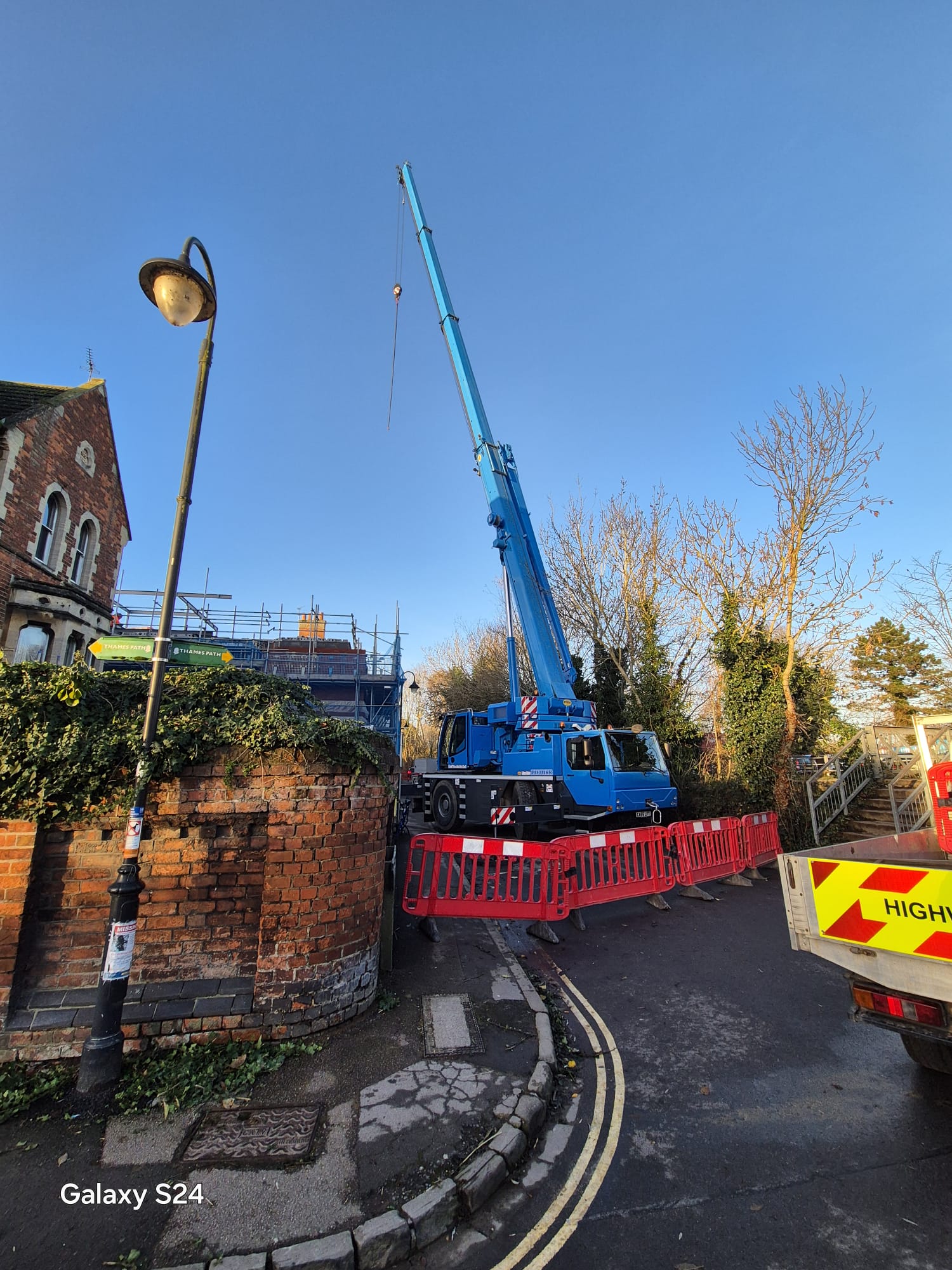
Mobile crane lift on a village street protected by barriers and a highways works vehicle
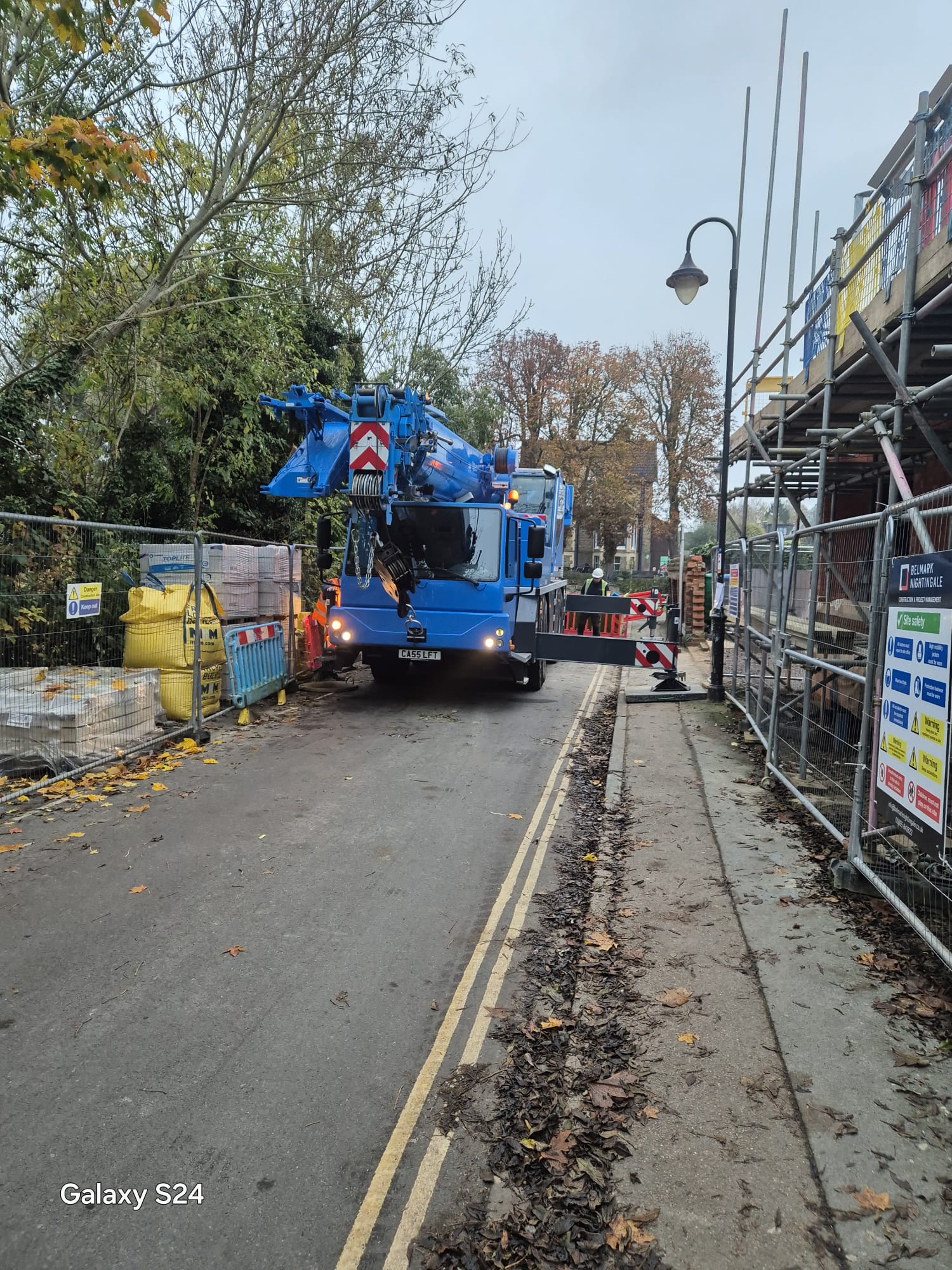
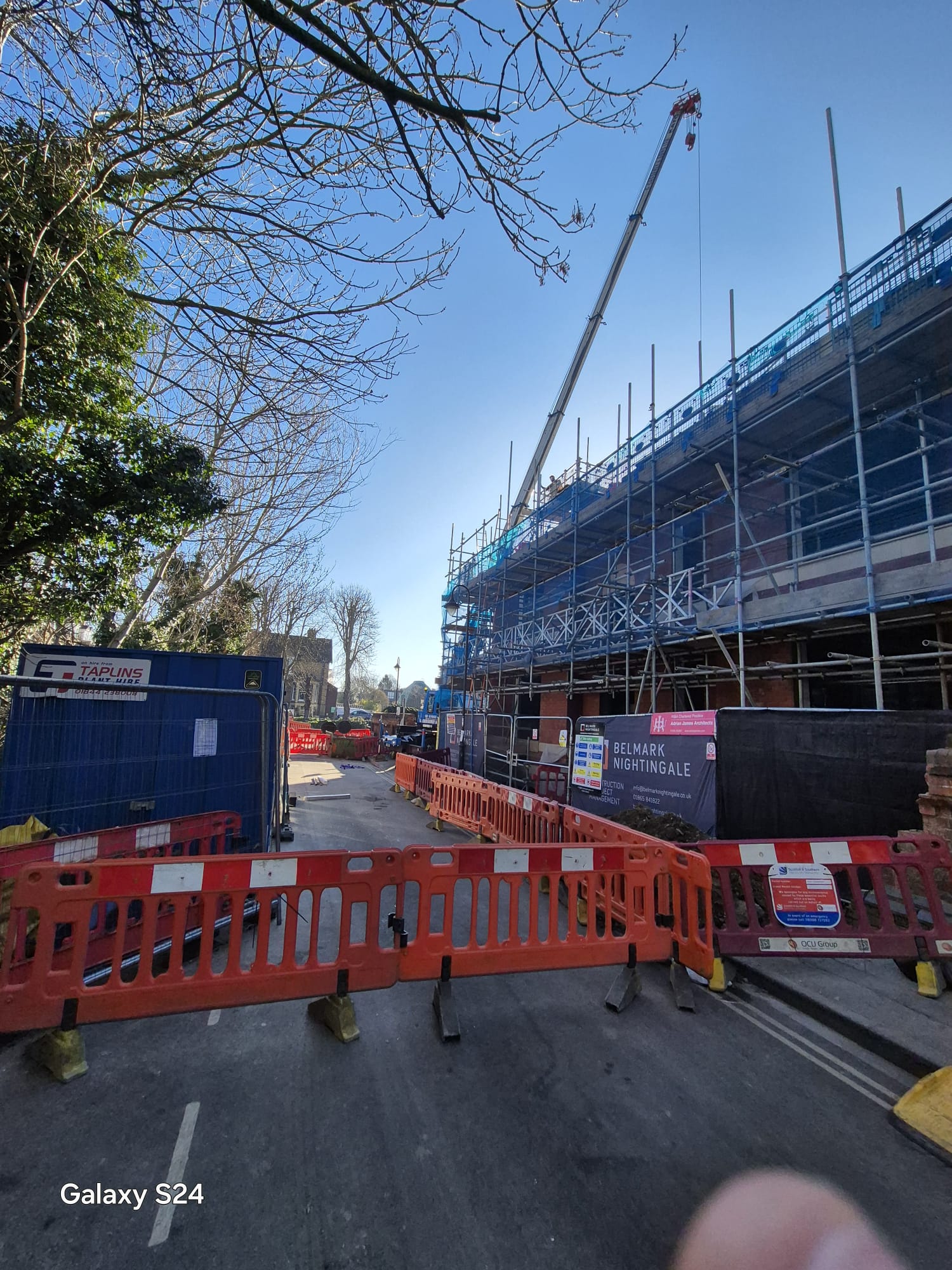
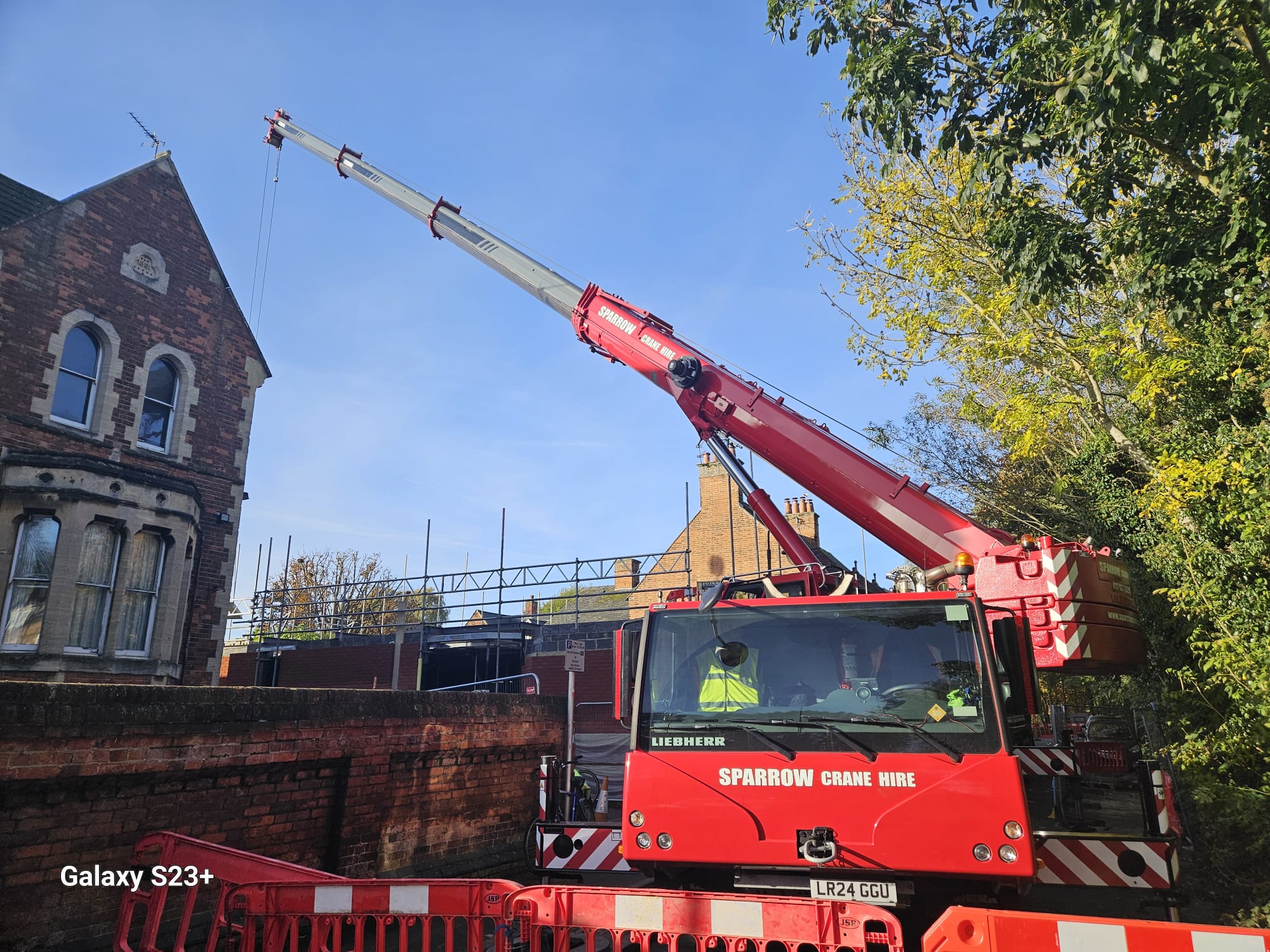
Mobile crane working in a narrow street kept clear by traffic management for a scaffolded building
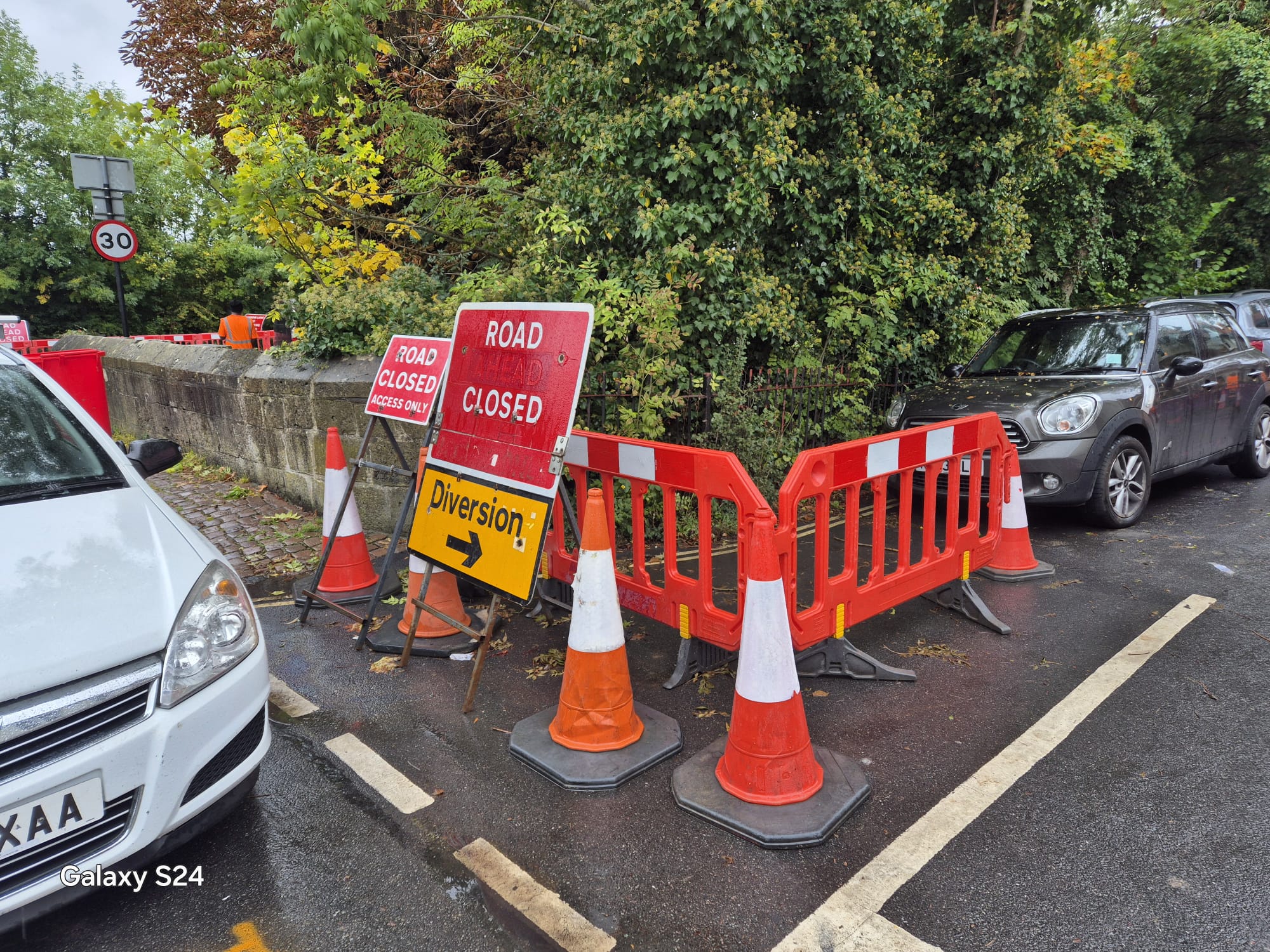
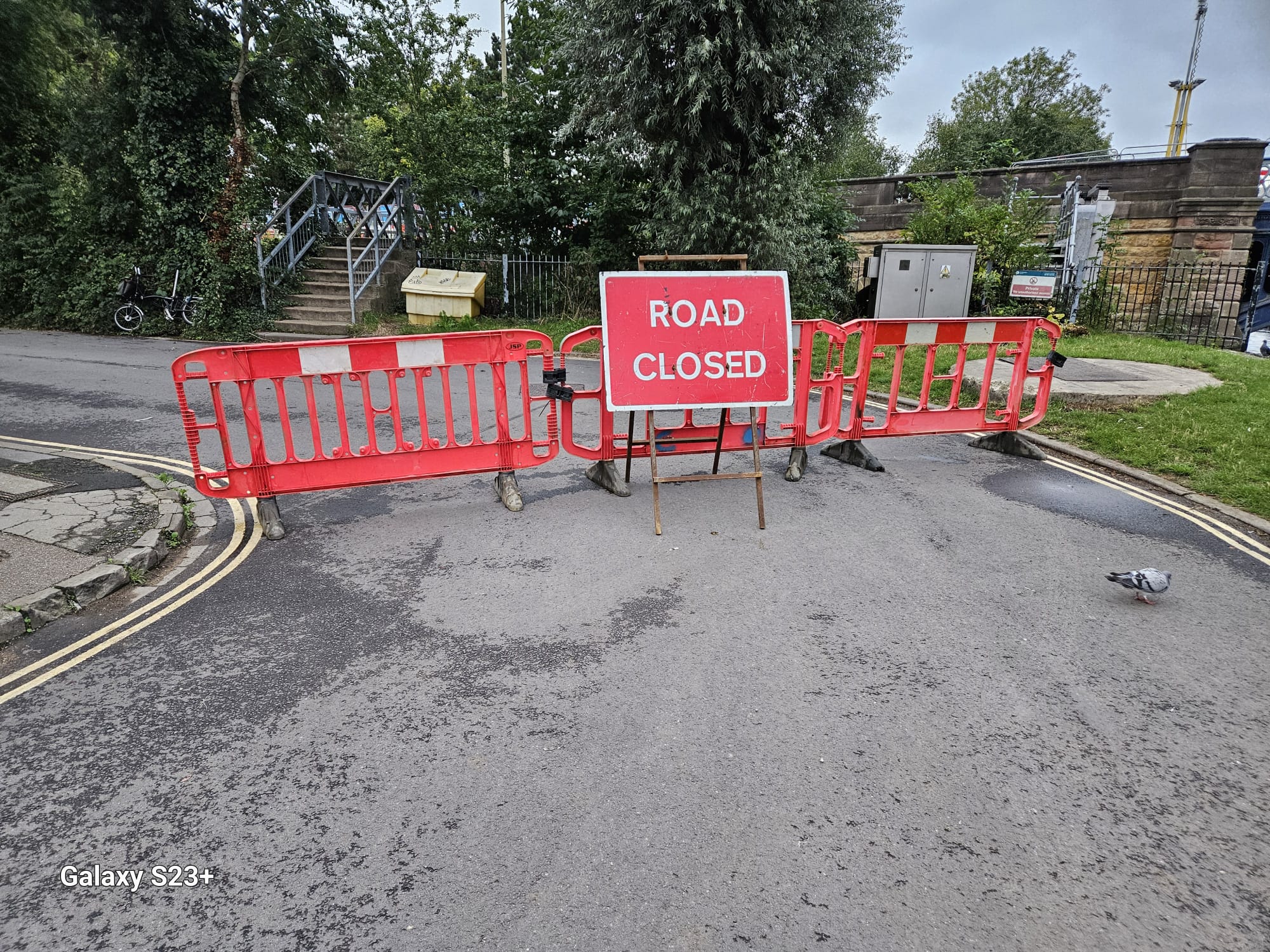
Road closed signs and diversion signage blocking a street corner
Illuminated road closed and footway closed signage on a cobbled alley at night
Night-time road closure blocking a narrow lane between buildings
Road closed sign and warning signage on a wet road at night under street lighting
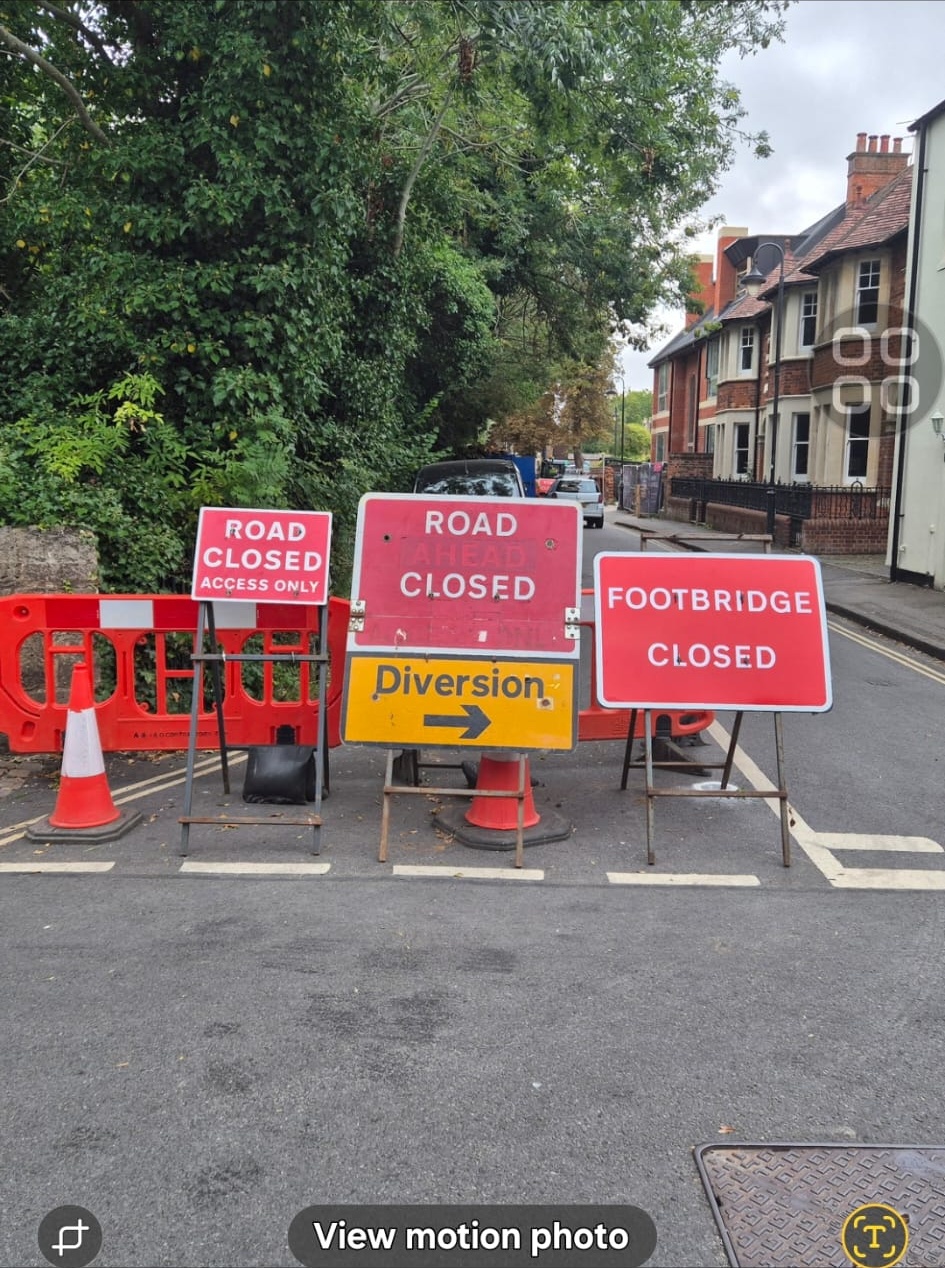
Road closed, diversion and footbridge closed signs closing a residential street
Road closure barriers protecting a crane and construction compound
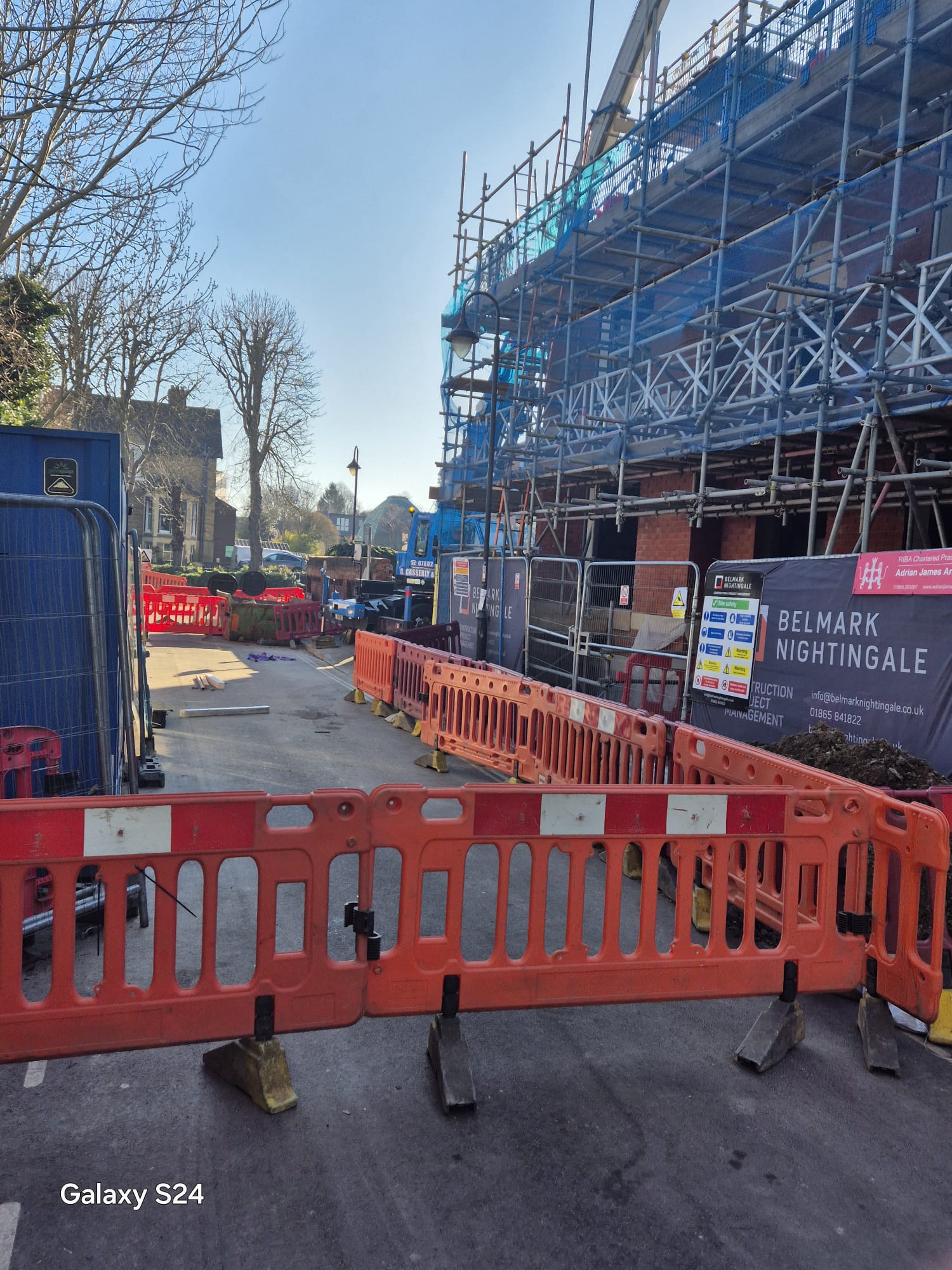
Traffic management barriers enclosing a construction site within a road closure
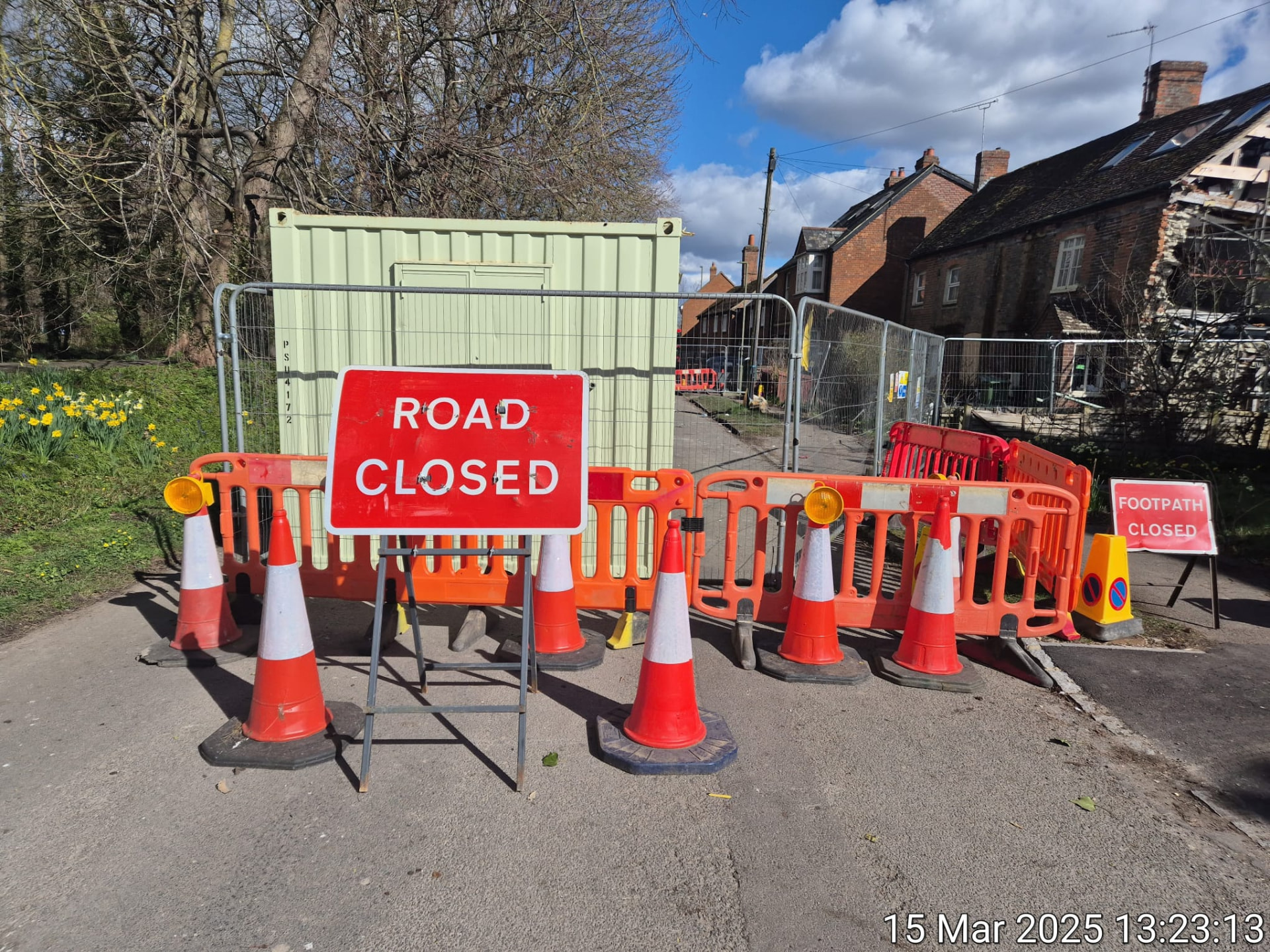
Road closed sign with cones and barriers closing a route beside houses
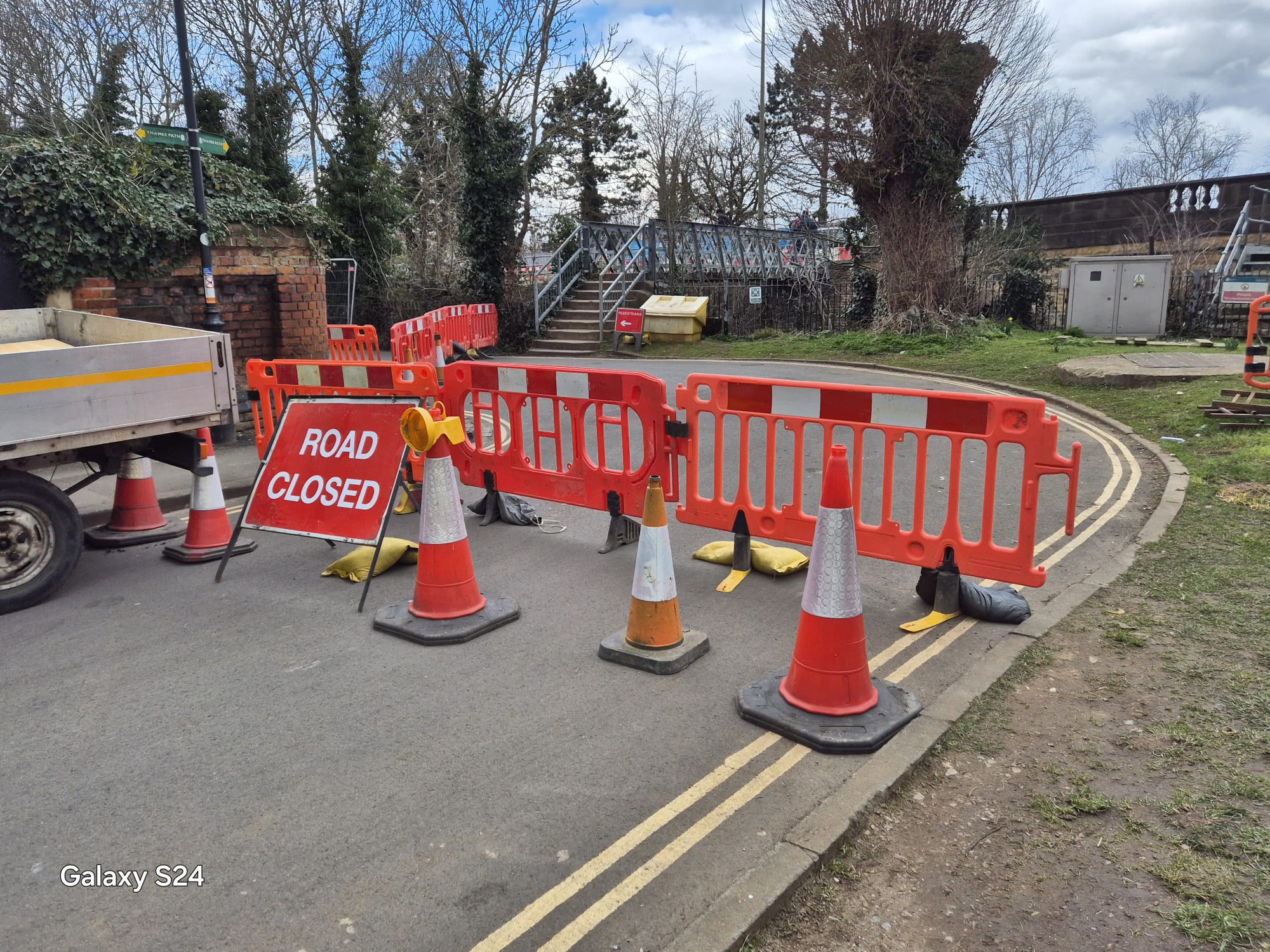
Road closed sign, cones and barriers closing a street around a bend
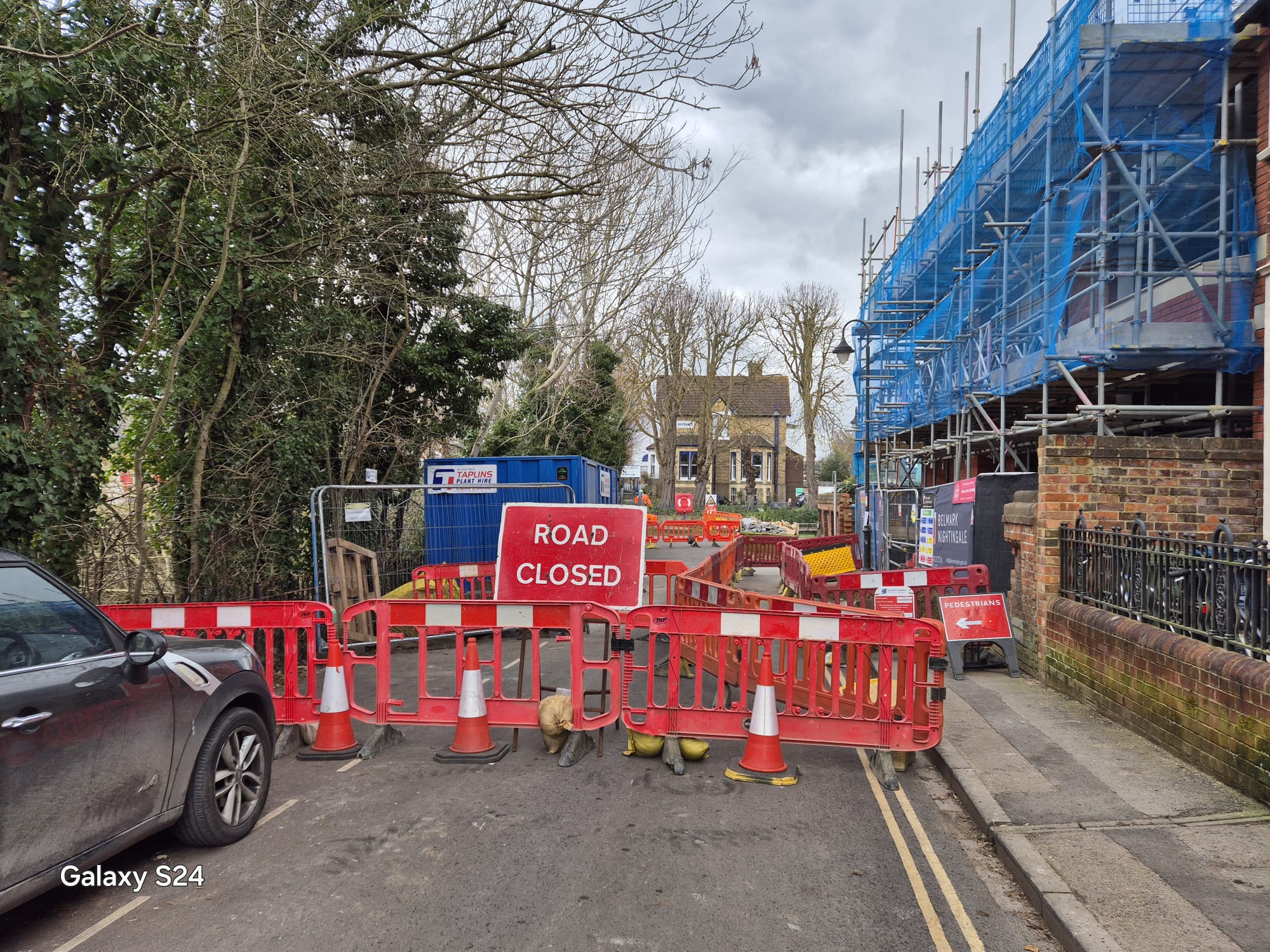
Road closure barriers in front of a scaffolded building on a town street
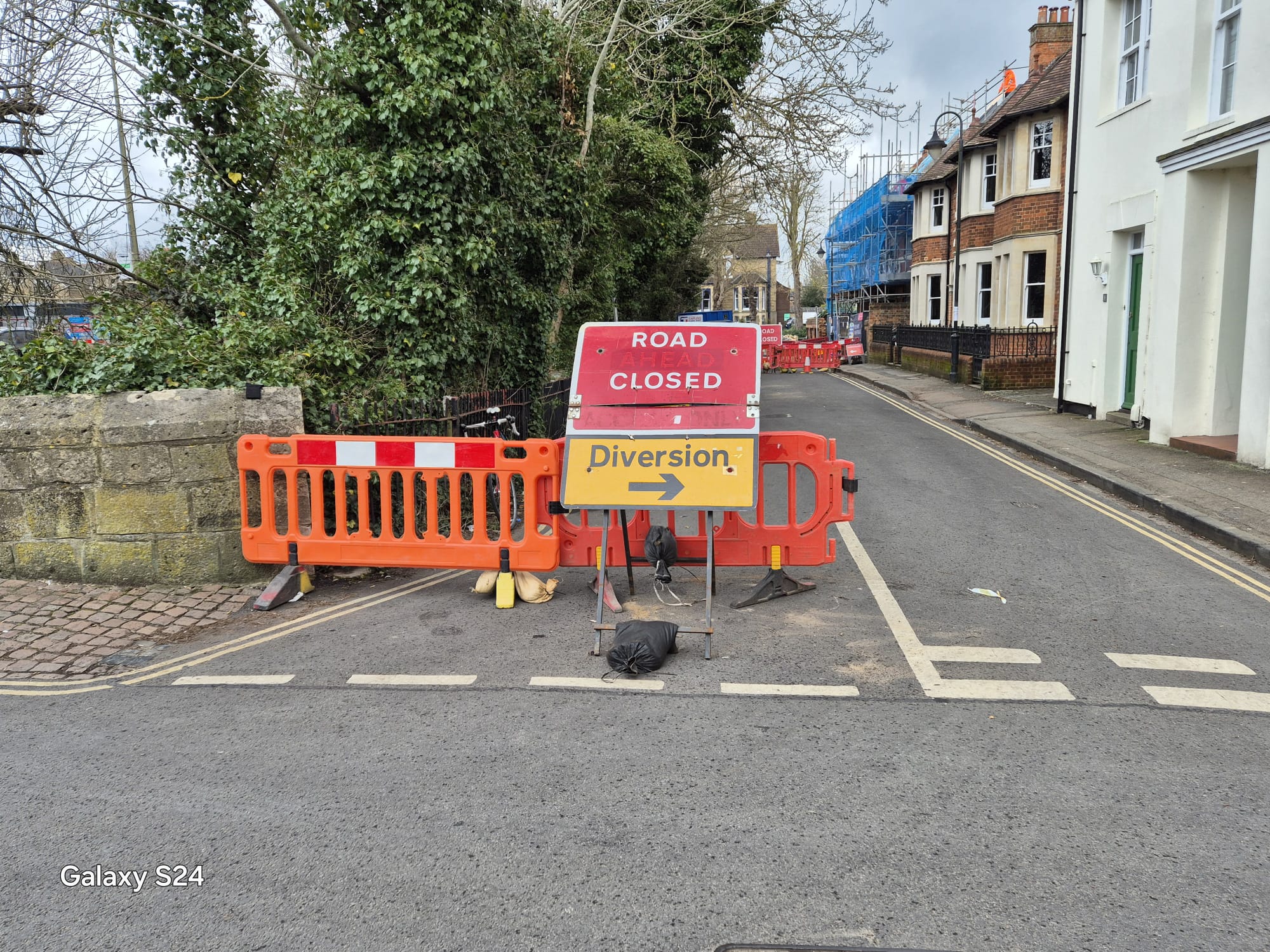
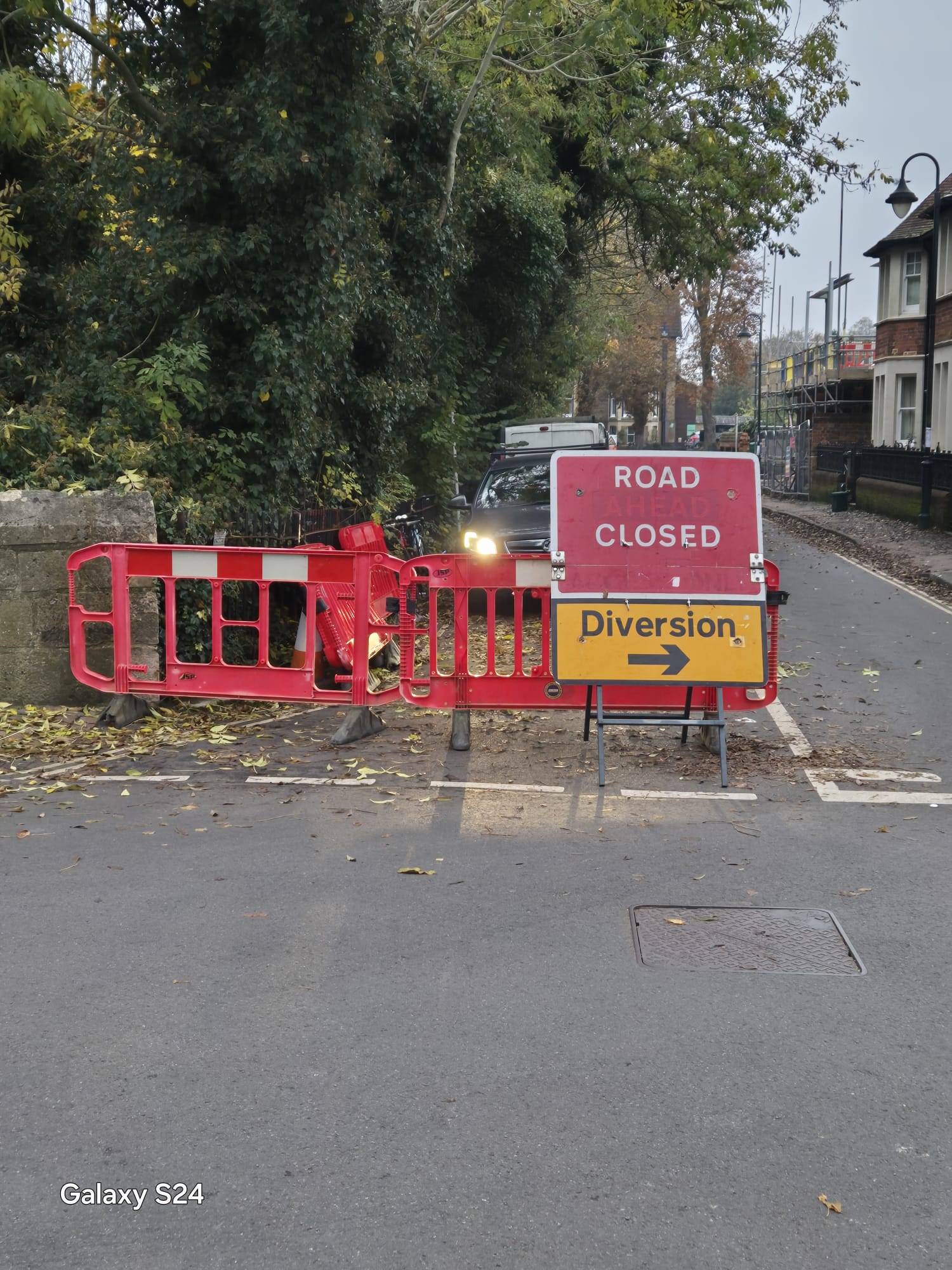
Diversion arrow and road ahead closed sign positioned at a junction
Road closed sign and diversion arrow on barriers closing a tree-lined street at dusk
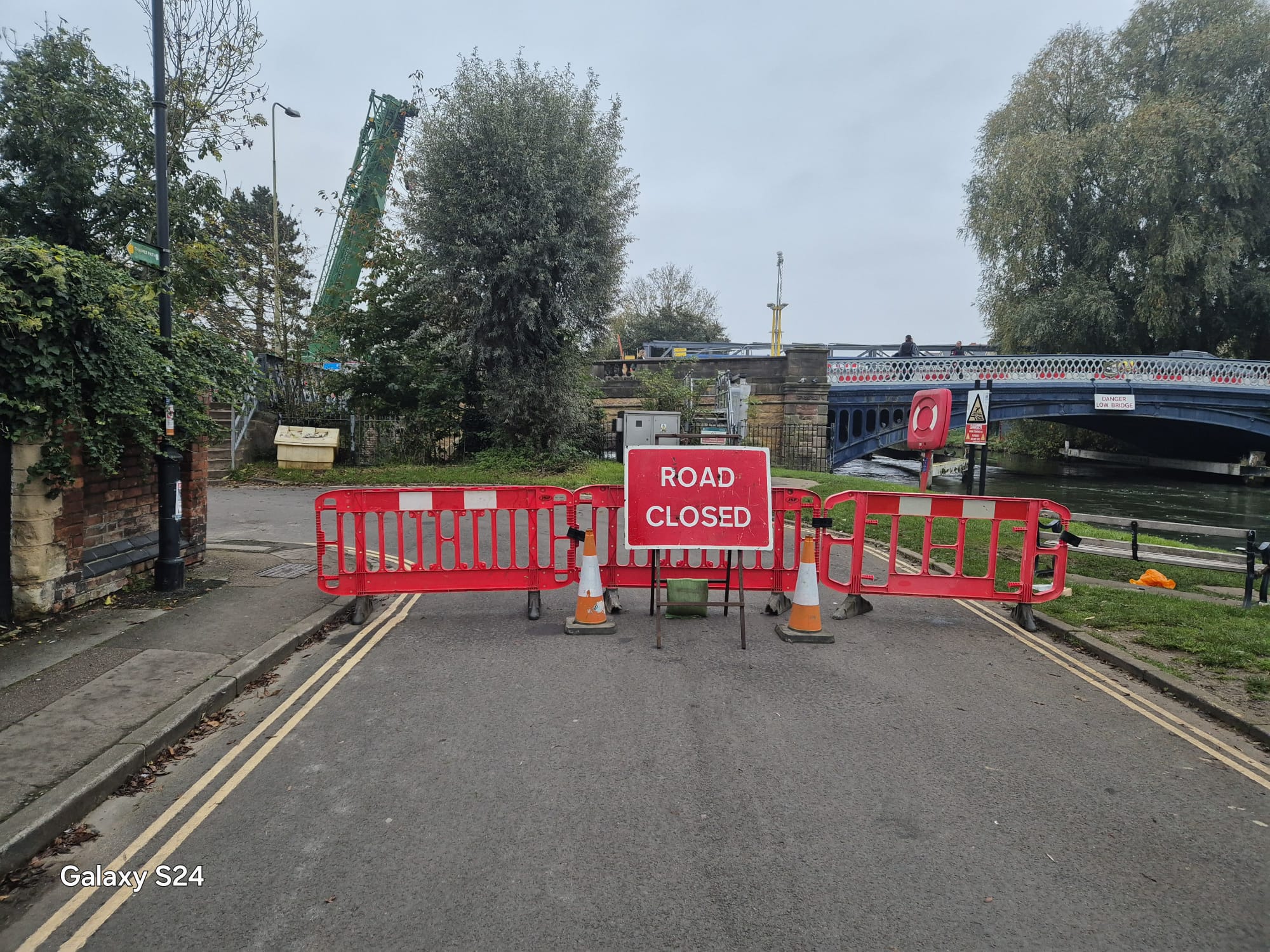
Road closed sign and barriers at the approach to a steel arch bridge
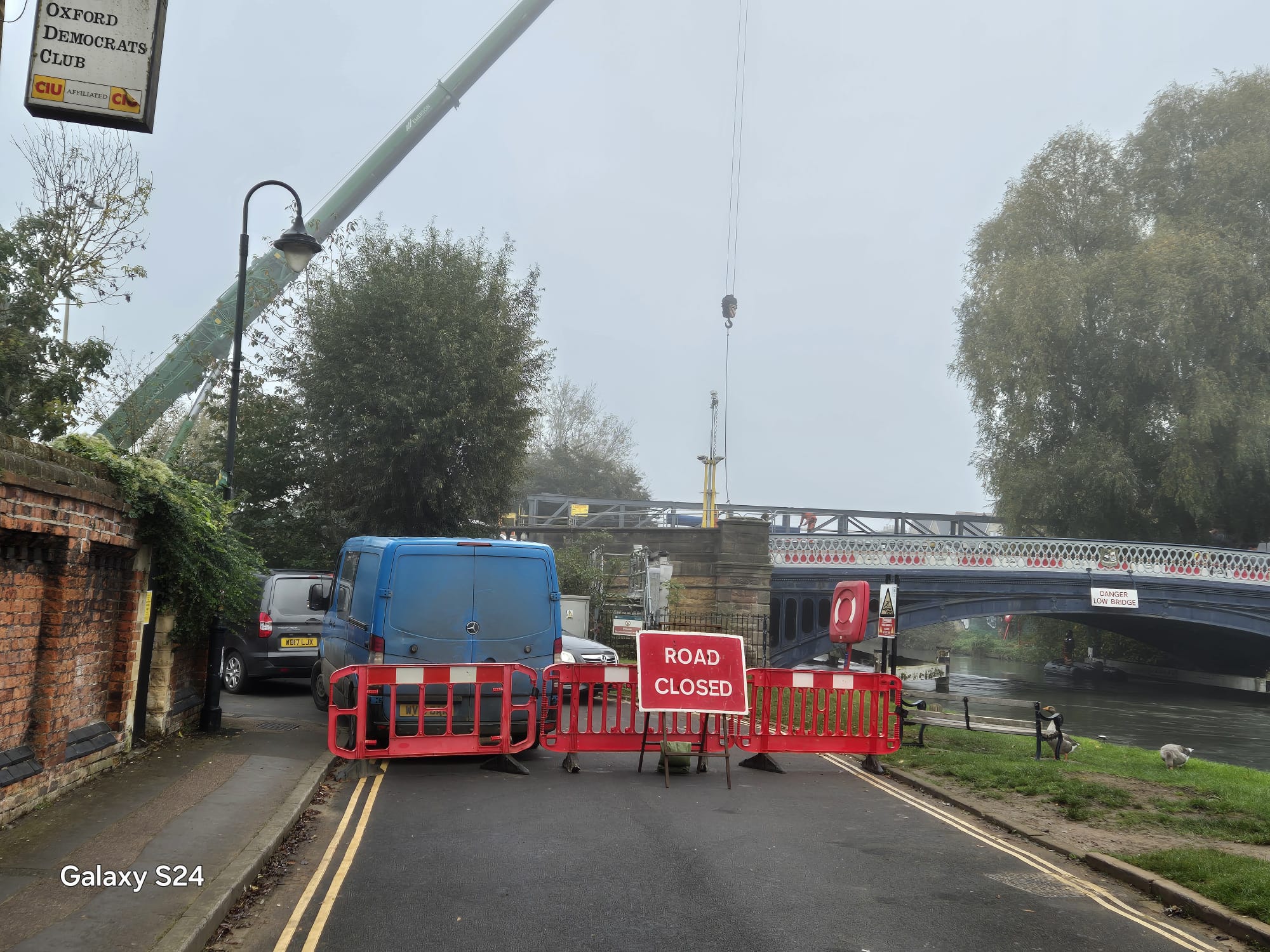
Road closure barriers and works vehicle at a riverside construction site
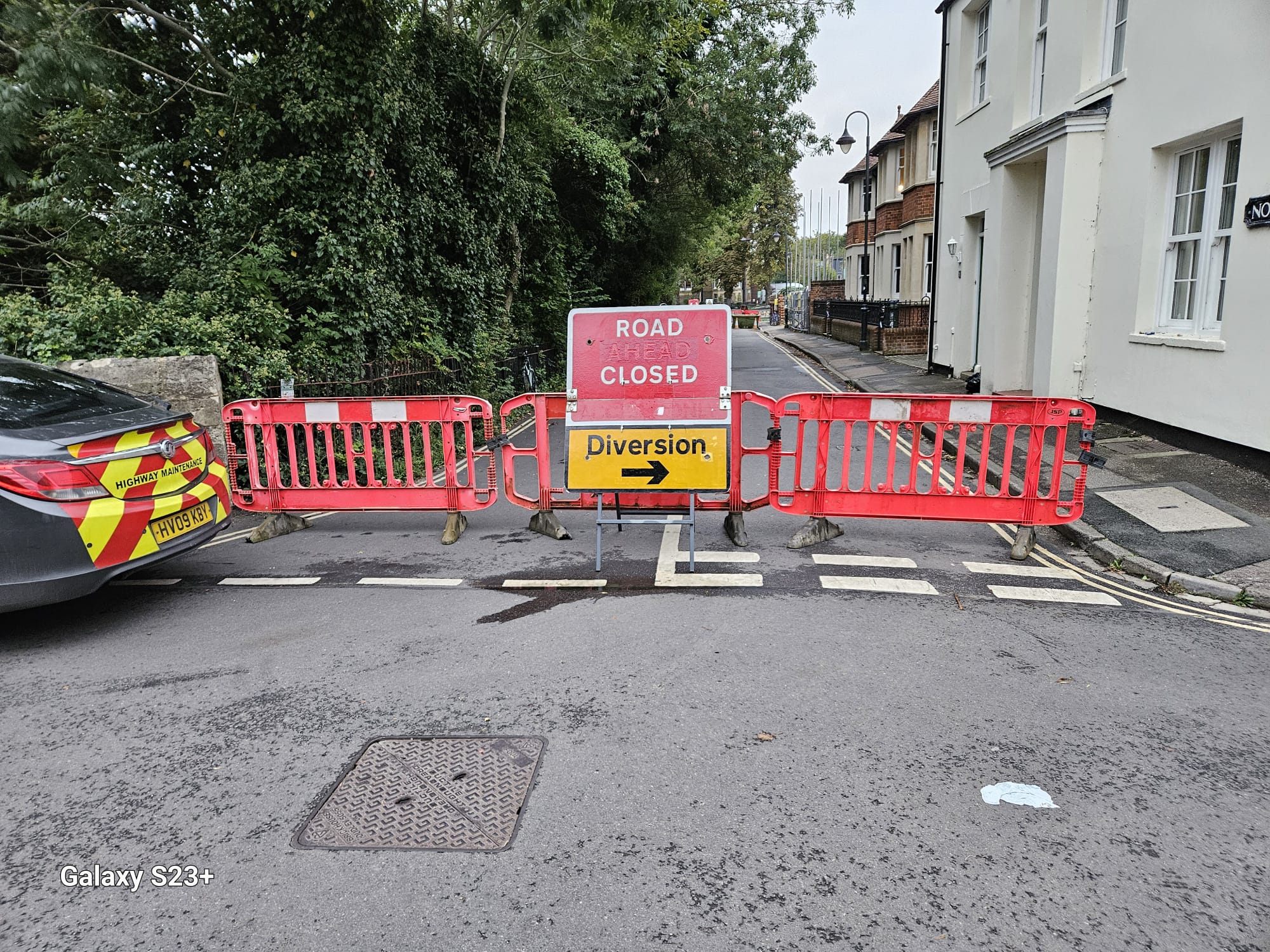
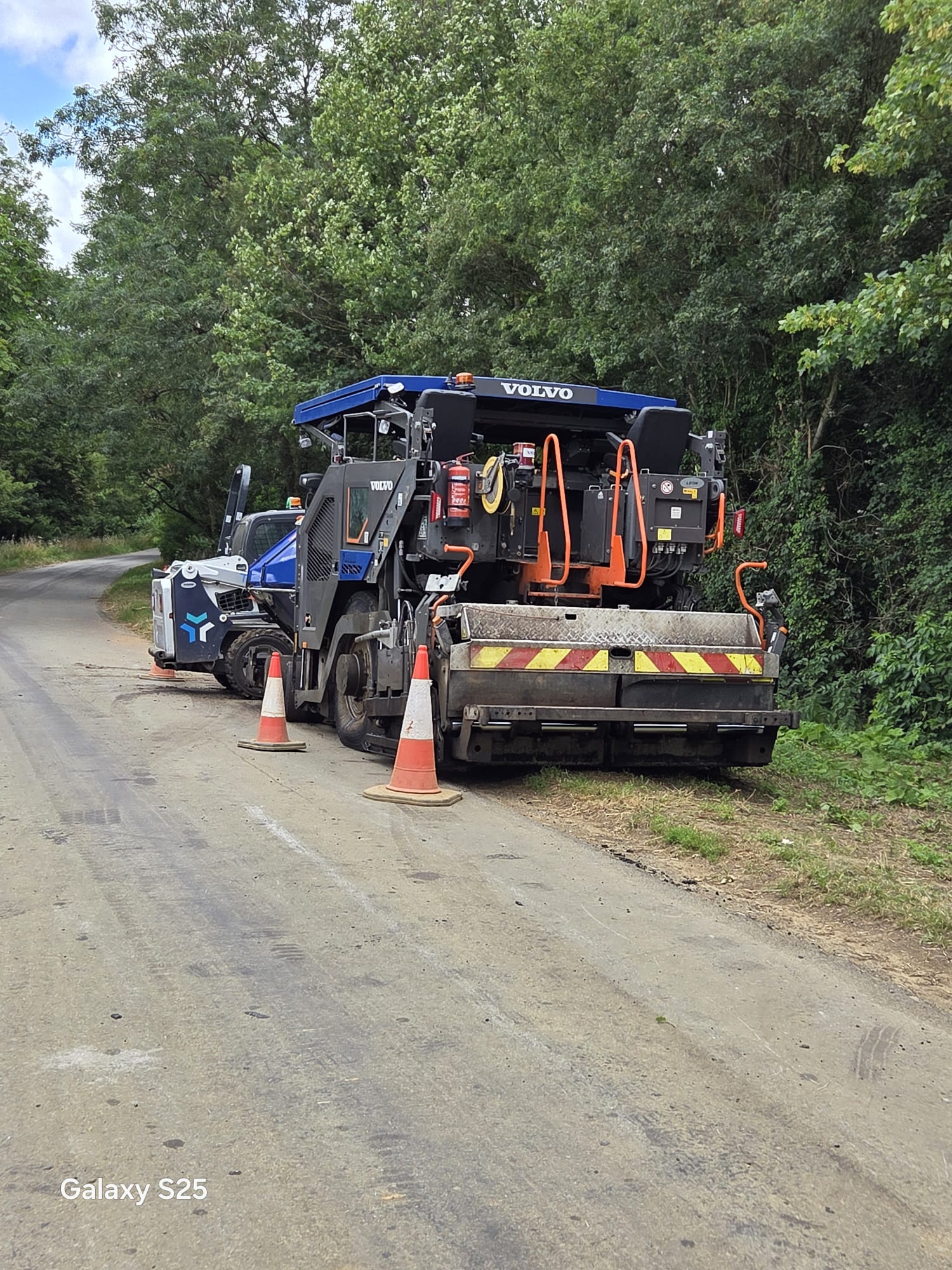
Highway maintenance vehicle parked beside diversion and road closure signage
Road closed sign mounted on red barriers closing a paved road
Mobile crane lifting from a street kept clear by traffic management barriers
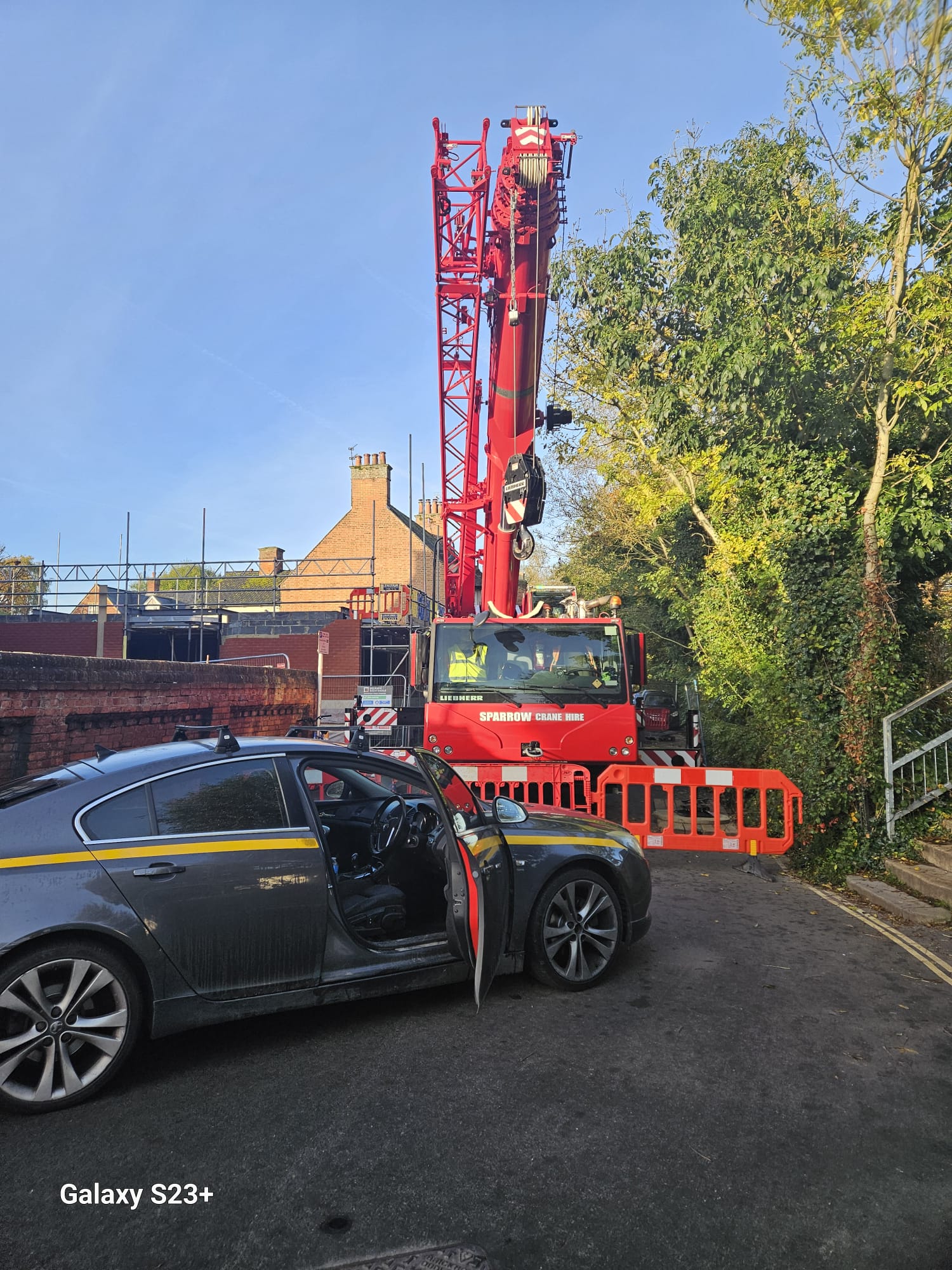
Mobile crane set up on a residential street behind traffic management barriers

More photography from live schemes is on our our work gallery.

Standards this work is delivered to

  • Sector Scheme 12 — 12A, 12B, 12C & 12D
  • Chapter 8 (Traffic Signs Manual)
  • New Roads & Street Works Act (NRSWA)
  • Lantra/NRSWA cards, T1/T2/T3 tickets
  • £10m public liability & £10m employers' liability insurance

Accreditations held

  • National Highway Sector Schemes
  • Constructionline Gold
  • BM Trada
  • CHAS
  • Acclaim
  • Achilles UVDB
  • Avetta
  • Builder's Profile
  • SafeContractor
  • ISO 9001

Certificates are issued for your pre-qualification pack on request. We work direct for end clients and as a subcontractor to principal contractors.

Straight answers

Road & Lane Closuresquestions we are asked

How much does a road closure cost?

The main drivers are the length of the diversion and how many signs it needs, the number of closure points to be installed and manned, the duration, the road type, and whether a TTRO and advertising are required. A single lane closure on a low-speed road is a modest cost; a weekend full closure with a long HGV diversion is a much larger one. We price the actual scheme in writing rather than quoting an average.

How long does it take to get a road closure approved?

A Temporary Traffic Regulation Order usually has the longest lead time of anything in temporary traffic management because of statutory advertising and consultation, and permits carry their own notice periods that vary by authority and works type. Come to us as soon as you have an indicative programme; the approval lead time, not the crews, is normally what fixes your start date.

Do I need a TTRO for a lane closure?

Not always. Many lane closures can proceed under a permit or notice, while anything that changes the legal use of the road — a full closure, a parking suspension, a temporary speed limit or a temporary prohibition of movement — generally requires an order. We assess your scheme and tell you which route applies before you commit to dates.

Can you keep resident and business access open during a closure?

In most cases yes, and it is usually the difference between a quiet job and a stream of complaints. Depending on the works we use marshalled access windows, escorted movements or phased working so completed sections can be driven over. We plan it at design stage and tell you honestly where access genuinely cannot be maintained.

How long can a closure stay in place?

That is set by the approval rather than by us: orders and permits are granted for defined periods, with extension processes that have their own lead times. For long-duration schemes we plan phasing so each stage is a complete compliant arrangement and the total duration stays within what the authority has granted.

What guarantees do you give on the closure being in place on time?

We do not offer a headline guarantee we cannot control, because approval dates sit with the highway authority. What we commit to is confirming dates in writing once the order or permit is granted, resourcing the crew and equipment for that window, and mobilising within it. Where a date slips at the authority end, you hear it from us as soon as we do.

Do you provide closures for events and filming as well as construction?

Yes. Events and film and TV are two of the sectors we work in, and both bring their own requirements: marshalled crossings, short controlled holds, pedestrian flows in the thousands, and coordination with the authority and emergency services around a fixed date that cannot move.

Who maintains the closure overnight?

We do. Inspection and resetting are part of the scheme, and 24/7 cover means signal faults, stolen signs, displaced cones and incursions are dealt with as call-outs at the time rather than found the next morning.

Can you close roads in Oxford city centre and central London?

Yes. Oxford, the Oxford ring road and all London boroughs are areas we work in regularly, along with the wider South East, Gatwick, the South West, Wales, the Midlands, the North and Scotland. Urban closures need more consultation and tighter phasing, which we build into the programme from the start.

What happens if the works overrun the approved closure window?

Tell us as early as possible. Extensions have their own process and are far easier before the window closes than after it. Where an extension is not achievable we plan a compliant reopening and a return visit, which is usually cheaper than an unapproved overrun on a live highway.

Related services

  • Traffic Management

    Temporary traffic management in Oxfordshire and nationwide: TTM design, permits, signals, signage and ticketed crews from one contractor. 25 years, 24/7 cover, £10m insurance.

  • Permits & TTROs

    Permit applications, Temporary Traffic Regulation Orders and local authority liaison handled end to end. Oxfordshire base, nationwide coverage, 25 years of authority experience.

  • Signage

    Chapter 8 compliant advance warning, diversion and information signage supplied, installed and maintained across Oxfordshire and nationwide. 24/7 replacement cover, £10m insurance.

  • Convoy, Stop-Go & Pedestrian Management

    Convoy working, stop-go boards and compliant pedestrian management in Oxfordshire and nationwide. Ticketed operatives, Chapter 8 routes, 24/7 cover, £10m public liability.

Where we deliver it

Based in Oxfordshire and working nationwide. See the full service areas list, browse all traffic management services, read about the company, or return to the homepage.

  • Oxfordshire
  • Oxford
  • Banbury
  • Bicester
  • Witney
  • Abingdon-on-Thames
  • Didcot
  • Kidlington
  • London
  • South East
  • Gatwick
  • South West
  • Wales
  • Midlands
  • North
  • Scotland

Book the window.We will handle the order,the diversion and the crew.

Send the road, the works and the dates you want. You get a written estimate covering the closure design, the TTRO or permit, the diversion signing and the operatives to man it.

25 years · Sector Scheme 12A–12D · £10m public liability · 24/7 cover

Send the details

Road type, duration and start date is enough to price it. We reply to every enquiry.